
Benzoin Sourcing: How ACTIZEET® Selects Quality
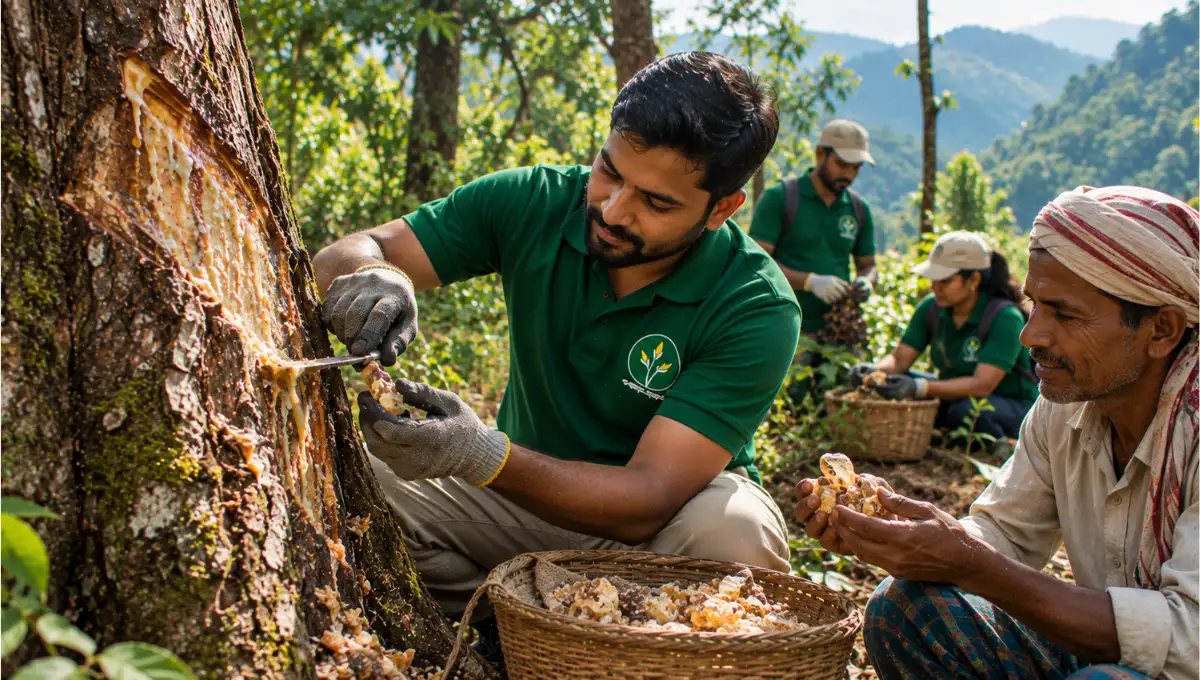
Benzoin is one of the oldest fragrance materials in the world, a warm, sweet, almost vanilla-like resin that has anchored perfumes and incense for centuries. But behind every drop is a slow, patient process that has barely changed in generations, farmers climbing trees, scoring bark by hand, and waiting months for the resin to harden. Here is how ACTIZEET® approaches Benzoin sourcing, from tree to bottle.
Benzoin resin comes from the bark of Styrax trees, primarily Styrax tonkinensis, tapped mainly in Laos, and Styrax benzoin, tapped mainly in Sumatra, Indonesia. Both varieties share a warm, balsamic, faintly vanilla character, though they differ meaningfully in colour, texture and chemical composition, differences that trace directly back to how and where each resin was sourced.
This article looks closely at Benzoin sourcing, the traditional tapping process behind it, the difference between Siam and Sumatra benzoin, and how ACTIZEET® applies careful standards to every batch of Benzoin oil it offers.
What Is Benzoin and Why Sourcing Matters
Benzoin is a balsamic resin, not an essential oil in the traditional distilled sense, since the raw material contains very little volatile oil. Instead, the resin is processed into a tincture, resinoid or absolute, commonly sold and used as "benzoin oil" once diluted to a workable consistency. Its warm, sweet, faintly vanilla-like character has made it a foundational base note in perfumery and a valued fixative that helps other fragrance notes last longer.
Sourcing quality matters enormously for benzoin because the resin's character depends heavily on the specific Styrax species, the region it was tapped in, and how patiently the entire harvesting process was carried out. Rushed or careless tapping produces a lower quality, more debris-laden resin, while careful, traditional methods yield the clean, aromatic tears prized by perfumers.
Where Benzoin Comes From: Siam vs Sumatra
Two distinct varieties dominate global benzoin production, each tied to a specific region and species. According to Wikipedia, benzoin-producing Styrax trees grow across several Southeast Asian countries, including Laos, Vietnam and Indonesia, thriving particularly well in mountainous areas with cool temperatures and high rainfall, conditions that directly shape the quality of resin a tree can produce.
Siam benzoin, sourced from Styrax tonkinensis, is tapped predominantly in northern Laos. According to Givaudan, a major global fragrance house, Laos is home to around 150 villages where an estimated 40,000 local farmers are directly involved in harvesting benzoin as supplemental income alongside their staple rice and vegetable crops, a livelihood that depends on trees that take around seven years to mature before tapping can even begin.
Sumatra benzoin, sourced from related Styrax species including Styrax paralleloneurum, comes primarily from the North Sumatra highlands in Indonesia. Research published via CIFOR-ICRAF notes that benzoin trees in this region are managed by Batak farmers within traditional agroforest systems, and that a well-tapped tree can continue producing resin for nearly sixty years, making benzoin an unusually long-horizon, sustainable livelihood when managed responsibly.
How ACTIZEET® Approaches Benzoin Sourcing
Given how closely tied genuine benzoin quality is to its region of origin, ACTIZEET® prioritises sourcing resin that traces clearly back to established Laos or Sumatra tapping regions, rather than unverified sources with unclear origin.
Siam and Sumatra benzoin differ meaningfully in character, Siam typically offers a cleaner, purer, almond-like sweetness, while Sumatra tends toward a darker, stickier, more robust balsamic profile. ACTIZEET® sources each variety deliberately for its intended character rather than treating benzoin as a single, interchangeable ingredient.
Styrax trees need to reach six to ten years of age before they can be tapped, and the process itself has barely changed for generations, diagonal incisions scored carefully into the bark by hand. ACTIZEET® sources from tappers who follow this patient, traditional method rather than rushing trees into premature or overly aggressive tapping.
After an incision is made, the resin seeps out and needs several months to harden naturally on the tree before it can be properly collected. ACTIZEET® sources from producers who respect this timeline fully, since resin collected too early is softer, less pure and more difficult to grade accurately.
Once collected, benzoin resin must be carefully cleaned of bark debris and dried further to remove excess moisture and prevent it from melting or losing quality during transport. ACTIZEET® works with suppliers who dry and grade resin carefully by hand, separating cleaner, higher grade tears from lower quality material rather than blending everything together.
Given benzoin's long history and wide use in fragrance, it is sometimes blended with lower cost substitutes or synthetic vanillin. ACTIZEET® verifies sourced benzoin for purity and authenticity before it moves forward in the supply chain, helping ensure the final oil genuinely reflects the natural resin it claims to be.
Benzoin tapping remains, at its core, a smallholder livelihood, carried out by tens of thousands of farming families across Laos and Sumatra who depend on it as supplemental income alongside subsistence farming. ACTIZEET® prioritises sourcing relationships that support fair compensation for this demanding, skilled work.
Curious what genuine, carefully sourced Benzoin oil smells like?
Shop ACTIZEET® Benzoin OilSiam vs Sumatra Benzoin at a Glance
| Variety | Source Tree | Primary Region | Character |
|---|---|---|---|
| Siam Benzoin | Styrax tonkinensis | Northern Laos | Pale, brittle tears; clean, almond-like sweetness |
| Sumatra Benzoin | Styrax benzoin / paralleloneurum | North Sumatra, Indonesia | Darker, stickier resin; robust, deep balsamic character |
Both varieties are collected using fundamentally the same patient, hand-tapping method, though the resulting resin differs enough in appearance and aroma that perfumers and formulators often choose one specifically over the other depending on the character they need.
From Bark to Bottle: How Benzoin Oil Is Made
ACTIZEET® Benzoin Oil begins with sourcing decisions rooted in traditional tapping practices carried out across Laos and Sumatra, choosing verified origin, patient harvesting timelines and careful grading at every stage. That same attention to detail carries through into every bottle we offer.
Explore ACTIZEET® Benzoin Oil →Tapping the Bark
Mature Styrax trees are scored with careful diagonal incisions through the bark, allowing the balsamic resin to slowly seep out and begin hardening in place, a method that has remained largely unchanged for generations.
Hand Collection After Months of Hardening
After several months, the hardened resin, now formed into small tear-shaped pieces, is collected by hand, often requiring tappers to climb the trees using simple, traditional equipment to reach higher incision points.
Cleaning, Drying and Quality Verification
The collected resin is cleaned of bark debris, dried further to remove excess moisture, and graded before being processed into a resinoid or absolute. Once processed, the final oil undergoes a purity check before bottling, confirming it meets the standard ACTIZEET® sources for.
Frequently Asked Questions
Why Benzoin Sourcing Is a Story of Patience
Few fragrance ingredients demand as much patience as benzoin, years for a tree to mature, months for resin to harden, and generations of tapping knowledge passed down within farming communities across Laos and Sumatra. Careful Benzoin sourcing means respecting that timeline fully, rather than cutting corners at any stage of a process that simply cannot be rushed.
ACTIZEET® continues to treat sourcing as the foundation of quality for its Benzoin oil, bottle after bottle.
Sources referenced: Wikipedia, Givaudan and CIFOR-ICRAF.
Latest from Our Blog

Green Apple Sourcing: From Himalayan Orchards to ACTIZEET Purity
Discover the story of Green Apple Sourcing for ACTIZEET Green...
Neem Giloy Sourcing for ACTIZEET: Where Purity Meets Purpose
Explore ACTIZEET’s traditional and ethical Neem Giloy sourcing journey—from India’s...

Grapefruit Sourcing – From Orchard to Uplifting Essence in a Bottle
Explore the vibrant journey of Grapefruit Sourcing behind ACTIZEET Grapefruit...

Beetroot Sourcing: From Earth-Rich Farms to Natural Vitality
Discover ACTIZEET’s beetroot sourcing journey—from clean Indian farms to slow-dried,...

