
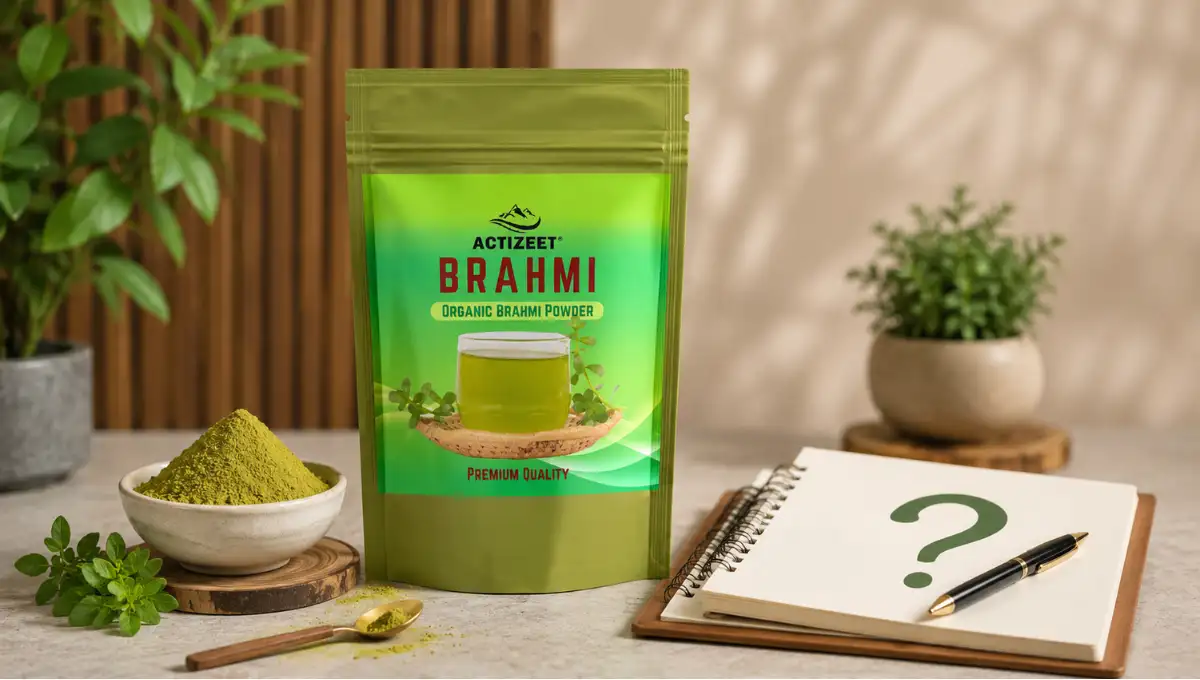
Brahmi Powder: Frequently Asked Questions (100+ FAQs Answered)
Last updated: June 2026 | Reviewed against Ayurvedic texts and current clinical literature
Brahmi powder, made from the dried leaves of Bacopa monnieri, is one of Ayurveda's most celebrated herbs. It has been used for more than 3,000 years as a medhya rasayana (brain tonic), and today it continues to attract attention from nutritionists, neurologists, and everyday wellness seekers alike.
Whether you are new to Brahmi or have been using it for years, questions naturally arise about dosage, storage, safety, and effectiveness. This guide pulls together 100+ of the most common questions about Brahmi powder and answers each one clearly, so you always know exactly what you are taking and why.
- 1. Brahmi Powder Basics
- 2. Health Benefits
- 3. Brain Health & Cognitive Performance
- 4. Stress, Anxiety & Sleep
- 5. Brahmi Powder for Hair
- 6. Brahmi Powder for Skin
- 7. Dosage & How to Use
- 8. Storage & Quality
- 9. Safety, Side Effects & Interactions
- 10. Ayurvedic Perspective
- 11. Use in Children & Elderly
- 12. Use in Women
- 13. Herb Combinations
- 14. Buying Guide & ACTIZEET® Brahmi Powder
- 15. Common Myths Busted
Brahmi Powder Basics
Q1. What is Brahmi powder?
Brahmi powder is a finely milled herbal powder made from the dried whole plant or leaves of Bacopa monnieri, a small creeping herb that grows in wetlands across South Asia. It is one of the oldest documented cognitive tonics in Ayurvedic medicine.
Q2. What is the scientific name of Brahmi?
The accepted scientific name is Bacopa monnieri, belonging to the family Plantaginaceae. It is sometimes also called water hyssop or herb of grace.
Q3. Is Brahmi the same as Gotu Kola?
No, though the two are often confused. Brahmi (Bacopa monnieri) is a separate plant from Gotu Kola (Centella asiatica). Both are used in Ayurveda for brain health, but their active compounds, tastes, and specific actions differ. In some South Indian traditions, the name "Brahmi" is used for Gotu Kola, which adds to the confusion. Always check the botanical name before buying.
Q4. What are the active compounds in Brahmi powder?
The primary active compounds are bacosides A and B, a group of triterpenoid saponins. Other notable constituents include alkaloids (brahmine, nicotine), flavonoids, phenylethanoid glycosides, and cucurbitacins. The bacosides are mainly responsible for the cognitive and neuroprotective actions.
Q5. Where does Bacopa monnieri naturally grow?
Bacopa monnieri grows naturally in marshy, shallow-water environments across India, Sri Lanka, Nepal, China, Taiwan, Vietnam, Florida, and parts of Africa. In India, it is commonly found in rice paddies, river banks, and wetland areas throughout the subcontinent.
Q6. What does Brahmi powder taste like?
Brahmi powder has a slightly bitter, astringent taste with a faintly sweet aftertaste. Ayurveda describes its rasa (taste) as primarily bitter (tikta) and sweet (madhura).
Q7. What color is good-quality Brahmi powder?
High-quality Brahmi powder typically ranges from light green to olive green. Powders that are dull grey, yellowish-brown, or have a faded appearance may have undergone heat damage or extended storage, which reduces potency.
Q8. Is Brahmi powder the same as Brahmi extract?
Not exactly. Brahmi powder is the whole dried plant ground into powder, retaining the full spectrum of phytochemicals. Brahmi extract is a concentrated preparation, often standardized to a specific percentage of bacosides. Extracts are more potent per gram; whole-plant powder offers a broader phytochemical profile.
Q9. How long has Brahmi been used in Ayurveda?
Brahmi has been referenced in ancient Ayurvedic texts such as the Charaka Samhita and Sushruta Samhita, documents dating back roughly 1,500 to 3,000 years. It has been consistently listed as a medhya rasayana, meaning a rejuvenator of intellect and memory.
Q10. What are the Sanskrit names for Brahmi?
Common Sanskrit names include Brahmi, Saraswati, Kapotavanka, Mandukaparni (a name also used for Gotu Kola), and Jalanimba. The name "Brahmi" is said to be derived from Brahma, the Hindu god of creation, signifying its power to enhance higher mental functions.
Health Benefits of Brahmi Powder
Q11. What are the main health benefits of Brahmi powder?
The most well-documented benefits include improved memory and learning, reduced anxiety and stress, better sleep quality, antioxidant protection, anti-inflammatory action, and support for overall neurological health. It is also used for hair growth, scalp health, and as a general adaptogen.
Q12. Is there scientific evidence supporting Brahmi's benefits?
Yes. Multiple human clinical trials have demonstrated improvements in memory, attention, and information processing speed with Bacopa monnieri supplementation. A 2021 review published in the National Library of Medicine noted that Bacopa monnieri shows preclinical and clinical evidence of neuroactive effects and is generally considered non-toxic at recommended doses. (Source: NCBI PMC)
Q13. Can Brahmi powder improve memory?
Several controlled studies show that consistent use of Bacopa monnieri over eight to twelve weeks leads to measurable improvements in verbal learning, memory consolidation, and recall speed. The bacosides are thought to promote the growth of nerve endings (dendrites), which supports better information transfer between neurons.
Q14. Does Brahmi help with focus and concentration?
Yes. Research suggests Brahmi supports the cholinergic system, which is central to attention and focus. Users commonly report clearer thinking and the ability to concentrate for longer periods after regular use over four or more weeks.
Q15. Is Brahmi powder good for the nervous system?
Brahmi is classified as a nervine tonic in Ayurveda. Its antioxidant and anti-inflammatory properties help protect neurons from oxidative damage. Studies in both animal models and human trials suggest it supports overall neurological resilience and may be beneficial as an adjunct in managing certain nervous system disorders, though it is not a standalone treatment.
Q16. Can Brahmi powder reduce oxidative stress?
Yes. Bacosides and flavonoids in Brahmi have demonstrated free-radical scavenging activity in laboratory studies. Reducing oxidative stress in the brain is one of the key mechanisms through which Brahmi supports long-term cognitive health.
Q17. Does Brahmi have anti-inflammatory properties?
Brahmi contains compounds that inhibit pro-inflammatory enzymes such as COX-2 and LOX in laboratory studies. This anti-inflammatory action may contribute to its neuroprotective effects and its traditional use in managing inflammatory conditions.
Q18. Can Brahmi powder support liver health?
Traditional Ayurvedic use includes Brahmi as a liver tonic. Some animal studies indicate hepatoprotective activity, meaning it may help protect liver cells from toxin-induced damage. However, clinical evidence in humans is limited, and one should consult a physician before using it specifically for liver conditions.
Q19. Does Brahmi help with blood pressure?
Some studies have found mild vasodilatory effects with Bacopa monnieri, which could theoretically support healthy blood pressure. However, the evidence is not strong enough to recommend it as a primary approach for managing hypertension. Always inform your doctor if you are using Brahmi alongside blood pressure medications.
Q20. Is Brahmi good for the immune system?
As an adaptogen, Brahmi helps the body adapt to physical and psychological stress, which indirectly supports immune function. Some research also points to mild immunomodulatory activity, but it is not primarily used as an immune booster in the Ayurvedic tradition.
Try ACTIZEET® Premium Brahmi Powder
Pure, lab-tested Bacopa monnieri powder, sourced from wild-harvested plants. No fillers, no additives.
Buy on ACTIZEET.com Buy 300g on ACTIZEET.inBrain Health and Cognitive Performance
Q21. How does Brahmi powder support brain health?
Brahmi works through multiple pathways: it boosts acetylcholine (a key memory neurotransmitter), promotes dendrite branching for better neural communication, reduces cortisol levels during stress, and protects neurons from oxidative damage. This combination makes it uniquely suited to long-term brain health maintenance.
Q22. Can Brahmi help with ADHD?
Preliminary studies suggest that Bacopa monnieri may improve attention, impulse control, and information processing in children with ADHD. However, research is still ongoing, and Brahmi should only be used as a complementary approach alongside medical guidance, not as a replacement for prescribed treatment.
Q23. Is Brahmi useful for Alzheimer's disease?
Animal studies show neuroprotective effects that are relevant to Alzheimer's research, including inhibition of acetylcholinesterase (the enzyme that breaks down acetylcholine). However, there is currently no definitive evidence that Brahmi can treat or cure Alzheimer's disease in humans. It may serve as a supportive adjunct under medical supervision.
Q24. Can Brahmi powder help with brain fog?
Many people report a reduction in brain fog with consistent use of Brahmi powder. Its ability to modulate neurotransmitter activity and lower cortisol may contribute to clearer thinking. Results typically appear after three to six weeks of regular use.
Q25. Does Brahmi improve processing speed?
Some human trials have demonstrated improvements in reaction time and information processing speed after twelve weeks of Bacopa monnieri supplementation. These results were particularly notable in older adults and in healthy young adults under demanding cognitive conditions.
Q26. How long before I notice improvements in memory?
Brahmi is not a quick-fix supplement. Most clinical studies show meaningful cognitive benefits appearing after eight to twelve weeks of consistent daily use. Patience and regularity are key.
Q27. Is Brahmi a nootropic?
Yes. Brahmi is widely classified as one of the oldest and most thoroughly studied natural nootropics. Unlike synthetic cognitive enhancers, it works gradually and through multiple synergistic mechanisms rather than a single neurotransmitter pathway.
Q28. Can students benefit from Brahmi powder?
Brahmi is particularly popular among students for its ability to support memory consolidation and reduce exam-related anxiety. Its adaptogenic properties help the mind stay calm and focused under pressure. It works best when taken consistently rather than just before exams.
Stress, Anxiety, and Sleep
Q29. Does Brahmi reduce anxiety?
Yes. Brahmi is considered an adaptogen and anxiolytic herb. It is thought to reduce serum cortisol levels, the primary stress hormone, which helps lower the physical symptoms of anxiety. Several controlled studies have reported reduced anxiety scores in participants taking Bacopa monnieri over four to twelve weeks.
Q30. Can Brahmi powder help with stress?
As an adaptogen, Brahmi helps the body regulate its stress response. It modulates the HPA (hypothalamic-pituitary-adrenal) axis, which controls how the body reacts to stressors. Regular use can help build resilience to both physical and mental stress over time.
Q31. Does Brahmi improve sleep?
Brahmi has a mild calming effect on the nervous system. Taken in the evening, it may help ease hyperactivity and racing thoughts that interfere with sleep. Ayurvedic practitioners have long recommended Brahmi as part of sleep-support formulations, often combined with Ashwagandha or warm milk.
Q32. Is Brahmi good for depression?
Some preclinical and small human studies suggest Brahmi may support mood regulation through its effect on serotonin and dopamine pathways. However, it should not be used as a substitute for professional treatment of clinical depression. Always consult a mental health professional.
Q33. Can Brahmi help with burnout?
Given its adaptogenic, neuroprotective, and cortisol-reducing properties, Brahmi is often recommended as part of a recovery protocol for burnout. It works best when combined with adequate rest, nutrition, and stress management rather than as a standalone solution.
Brahmi Powder for Hair
Q34. Is Brahmi powder good for hair?
Yes. Brahmi powder is a time-tested Ayurvedic ingredient for hair care. It is believed to strengthen hair roots, reduce hair fall, nourish the scalp, and promote the growth of new hair follicles. It is commonly used both as a hair mask and as an infused oil.
Q35. How do I use Brahmi powder for hair growth?
Mix two to three tablespoons of Brahmi powder with water, coconut milk, or a carrier oil to form a smooth paste. Apply it to the scalp and hair roots, leave it on for 30 to 45 minutes, then rinse with a mild shampoo. Use two to three times per week for best results.
Q36. Can Brahmi prevent hair fall?
Brahmi contains antioxidants and phytonutrients that help reduce scalp inflammation, which is a common contributor to hair fall. By strengthening hair follicles and improving scalp circulation, regular Brahmi powder application may reduce excessive hair shedding.
Q37. Does Brahmi prevent premature greying?
Brahmi has traditionally been used to slow premature greying. While clinical evidence is limited, its antioxidant properties may help protect melanocytes (pigment-producing cells) from oxidative stress, which is one factor linked to early greying.
Q38. Can I mix Brahmi powder with Amla or Shikakai?
Yes. Brahmi powder blends well with Amla (Indian gooseberry) powder for added antioxidant protection and with Shikakai for gentle cleansing. This combination is a popular Ayurvedic hair wash that cleanses, conditions, and nourishes simultaneously.
Q39. How do I make Brahmi hair oil at home?
Gently heat coconut oil or sesame oil on low flame and add Brahmi powder (roughly one tablespoon per 100 ml of oil). Stir for 15 to 20 minutes without boiling, then cool completely and strain through a fine cloth. Apply to the scalp, massage gently, and leave overnight before washing.
Q40. Does Brahmi powder help with dandruff?
Its antifungal and anti-inflammatory properties may help reduce dandruff and scalp itching. Mixing Brahmi powder with neem powder and applying it as a scalp mask is a popular home remedy for dandruff management.
Q41. Can Brahmi powder be used on colour-treated hair?
Brahmi powder is generally safe for colour-treated hair. However, do a strand test first, as herbal powders can slightly alter the tone of some chemical hair colours. Avoid leaving it on for more than 20 minutes if you are concerned about colour change.
Q42. Is Brahmi powder or Brahmi oil better for hair?
Both have their place. Brahmi powder as a hair mask offers deep nourishment and scalp cleansing. Brahmi-infused oil is better for regular scalp massage and overnight treatments. Many people rotate between the two for comprehensive hair care.
Brahmi Powder for Skin
Q43. Can I use Brahmi powder on my skin?
Yes. Brahmi powder is used topically in Ayurvedic skin care. Its antioxidant and anti-inflammatory properties can help soothe irritated skin, reduce redness, and support a healthy complexion. It is gentle enough for most skin types.
Q44. How do I make a Brahmi face pack?
Combine one teaspoon of Brahmi powder with rose water or raw honey to form a paste. Apply evenly on a clean face, leave for 15 to 20 minutes, and rinse with lukewarm water. You can add a few drops of aloe vera gel for added hydration.
Q45. Is Brahmi powder good for acne-prone skin?
Its antibacterial and anti-inflammatory properties may help calm active acne and reduce post-inflammatory redness. It is not a standalone acne treatment but can be a supportive addition to a holistic skin care approach.
Q46. Does Brahmi have anti-ageing skin benefits?
The antioxidants in Brahmi help neutralize free radicals that contribute to premature skin ageing. Some preliminary research also suggests it may support collagen synthesis, which maintains skin elasticity. Regular topical use or internal consumption may both contribute to healthier-looking skin over time.
Dosage and How to Use Brahmi Powder
Q47. What is the recommended dosage of Brahmi powder for adults?
The standard Ayurvedic recommendation for internal use is 3 to 6 grams (approximately half to one teaspoon) per day for adults. This is typically divided into two doses, taken with warm water or warm milk. Always start at the lower end and assess your tolerance.
Q48. When is the best time to take Brahmi powder?
Many Ayurvedic practitioners recommend taking Brahmi in the morning with warm milk or water, after a light meal. If using it for sleep support, a second dose in the evening works well. Avoid taking it on a completely empty stomach if you notice digestive discomfort.
Q49. How do I take Brahmi powder with milk?
Stir half a teaspoon of Brahmi powder into a cup of warm (not boiling) milk. Adding a small amount of honey or jaggery improves the taste. This preparation is often called "Brahmi milk" and is a traditional evening drink in Ayurveda for mental calm and better sleep.
Q50. Can I add Brahmi powder to smoothies or juices?
Yes. A small amount (half a teaspoon) blended into a morning smoothie with banana, almond milk, and a pinch of cinnamon is a convenient and palatable way to take Brahmi daily. The natural bitterness is well-masked by sweeter ingredients.
Q51. Can Brahmi powder be taken with honey?
Yes. Honey is an approved anupana (vehicle) in Ayurveda for Brahmi. Mixing a small amount with raw honey and taking it directly or dissolved in warm water is a common method, particularly suited to Pitta types who benefit from honey's cooling properties.
Q52. Can Brahmi powder be used in cooking?
Fresh Brahmi leaves are used in South Indian cooking (especially chutneys and rice dishes). Dried powder can be stirred into herbal teas, mixed into ghee-based preparations, or added to laddoos (herbal energy balls). Its bitter taste is quite pronounced in food, so use sparingly.
Q53. How long should I take Brahmi powder continuously?
Most Ayurvedic guidelines suggest taking Brahmi for three to six months at a stretch, then taking a four to six week break before resuming. This cyclical approach helps prevent tolerance buildup and allows the body to maintain its natural balance. Chronic long-term use without breaks is not generally recommended without professional oversight.
Q54. Is it better to take Brahmi powder before or after meals?
After meals is generally recommended for better absorption and to minimize the chance of mild gastric discomfort. Some Ayurvedic texts suggest pairing it with food containing healthy fats (like ghee or milk) to improve bioavailability of the fat-soluble bacosides.
Q55. Can I take Brahmi powder as a tea?
Yes. Simmer half a teaspoon of Brahmi powder in 200 ml of water for five to ten minutes, strain, and drink warm. Adding tulsi leaves, ginger, or cardamom enhances both the flavour and the therapeutic effect.
Q56. Can I take more than the recommended dose for faster results?
No. Exceeding the recommended dose can cause nausea, stomach cramps, and headaches. More is not better with Brahmi. Consistent use at the right dose over time produces far better results than large, sporadic doses.
ACTIZEET® Brahmi Powder: Pure and Potent
Trusted by thousands across India for authentic Ayurvedic quality. Each batch is tested for purity and bacoside content.
Shop at ACTIZEET.com Get 300g Pack on ACTIZEET.inStorage and Quality
Q57. How should Brahmi powder be stored?
Store Brahmi powder in an airtight glass or food-grade container, away from direct sunlight, heat, and moisture. A cool, dry pantry shelf or a kitchen cabinet is ideal. Properly stored powder retains its potency for 18 to 24 months.
Q58. Should Brahmi powder be refrigerated?
Refrigeration is not necessary and can introduce moisture, which accelerates spoilage. Store at room temperature in a sealed container. In very humid climates, silica gel packets inside the container help prevent clumping.
Q59. How do I know if Brahmi powder has gone bad?
Signs of degradation include a loss of the characteristic green colour, the absence of the mild bitter scent, visible mould, clumping from moisture, or an off smell. If any of these are present, discard the powder and replace it with a fresh supply.
Q60. What should I look for when buying Brahmi powder?
Look for powder sourced from authenticated Bacopa monnieri (not Gotu Kola), with no added fillers or artificial colours. Third-party testing for heavy metals and microbial contamination is a strong quality indicator. Clear sourcing information and a verifiable manufacturing date are also important markers of trustworthiness.
Q61. Is organic Brahmi powder better?
Organic certification ensures the herb was grown without synthetic pesticides or chemical fertilisers, which is a meaningful advantage for a herb taken consistently. Where available, certified organic or wildcrafted Brahmi from clean environments is preferable.
Q62. What is the shelf life of Brahmi powder?
When stored correctly in an airtight container at room temperature, Brahmi powder generally maintains potency for 18 to 24 months from the date of manufacture. Always check the batch and expiry information printed on the packaging.
Safety, Side Effects, and Drug Interactions
Q63. Is Brahmi powder safe?
Brahmi powder is generally considered safe for most healthy adults when taken at recommended doses. Research published in peer-reviewed literature confirms that Bacopa monnieri has no serious side effects at standard doses and is generally non-toxic. (NCBI PMC, 2021)
Q64. What are the possible side effects of Brahmi powder?
At higher doses or in sensitive individuals, Brahmi may cause nausea, stomach upset, increased bowel movements, or mild fatigue. These effects are typically dose-dependent and resolve when the dose is reduced. Taking Brahmi with food greatly reduces digestive side effects.
Q65. Can Brahmi interact with medications?
Yes. Potential interactions include: thyroid medications (Brahmi may alter thyroid hormone levels), sedatives and anti-anxiety drugs (additive CNS sedation), and medications for ADHD or Alzheimer's that affect cholinergic pathways. Always disclose Brahmi use to your doctor or pharmacist if you are on prescription medications.
Q66. Is Brahmi safe with thyroid conditions?
Brahmi may affect thyroid hormone levels, particularly T4. People with hyperthyroidism or those on thyroid hormone replacement therapy should consult their physician before taking Brahmi powder, as an interaction is possible.
Q67. Can I take Brahmi powder if I have low blood pressure?
Brahmi has mild vasodilatory properties and may slightly lower blood pressure. If you already have hypotension or are on antihypertensive medications, use Brahmi with medical supervision and monitor your blood pressure regularly.
Q68. Can Brahmi powder cause drowsiness?
In some people, particularly at higher doses or when taken with other calming herbs, Brahmi can produce mild drowsiness. If you notice this effect, take it in the evening or before bed rather than during the working day. Avoid driving or operating machinery if you experience unusual fatigue after taking Brahmi.
Q69. Is Brahmi powder addictive?
No. There is no evidence that Brahmi is habit-forming or creates dependency. It does not produce euphoria or withdrawal symptoms when discontinued. It can be stopped gradually or immediately without adverse effects.
Q70. Can Brahmi powder cause allergic reactions?
Allergic reactions to Brahmi are rare but possible. If you experience rash, itching, swelling, or difficulty breathing after taking Brahmi, discontinue use and seek medical advice promptly. Patch testing before topical use is recommended for sensitive skin types.
Ayurvedic Perspective on Brahmi
Q71. What is Brahmi's role in Ayurveda?
In Ayurveda, Brahmi is classified as a medhya rasayana, a category of herbs that specifically rejuvenate the mind and intellect. It is considered tridoshic with a particular affinity for balancing Vata (nervous system) and Pitta (inflammatory tendencies). The Charaka Samhita lists it among the most important herbs for mental health and longevity.
Q72. What dosha is Brahmi good for?
Brahmi is broadly tridoshic, meaning it can benefit all three doshas. However, it is especially calming for excess Pitta (reducing mental heat, irritability, and inflammation) and Vata (soothing anxiety, irregular thought patterns, and nervous system imbalances). Used in large amounts, it may slightly increase Kapha due to its heavy and unctuous qualities.
Q73. What are the Ayurvedic properties (gunas) of Brahmi?
Rasa (taste): Bitter, sweet. Virya (potency): Cooling. Vipaka (post-digestive effect): Sweet. Guna (qualities): Light, unctuous. These properties together make Brahmi nourishing, cooling, and particularly suited to calming an overheated or overworked mind.
Q74. What does medhya rasayana mean?
Medhya means intellect and mental faculties. Rasayana means rejuvenator or elixir for longevity. Medhya rasayana herbs are those specifically noted in classical texts as rejuvenating the nervous system and cognitive functions. Brahmi is considered the most prominent among the four primary medhya rasayana herbs, alongside Shankhapushpi, Yashtimadhu, and Guduchi.
Q75. What is the traditional Ayurvedic preparation for Brahmi?
Classical preparations include Brahmi Ghrita (Brahmi-infused clarified butter), Brahmi Vati (tablets), Saraswatarishta (a fermented tonic), and simple Brahmi churna (powder) mixed with milk or honey. Each preparation targets slightly different conditions and constitutional types.
Q76. Is Brahmi a Sattvic herb?
Yes. Brahmi is classified as a Sattvic herb in Ayurveda, meaning it promotes clarity, peace, and higher cognitive function. Sattvic herbs are considered especially suitable for those on a spiritual path or for practices that require mental stillness and focus, such as meditation and yoga.
Use in Children and the Elderly
Q77. Can children take Brahmi powder?
Brahmi has a long tradition of use for children in Ayurveda, particularly for supporting learning and managing hyperactivity. However, children require significantly lower doses (typically one quarter to one half of the adult dose) and use should only proceed under the guidance of a qualified Ayurvedic practitioner or paediatrician.
Q78. What is the dose of Brahmi powder for children?
A commonly cited guideline is 1 to 2 grams per day for children aged 6 to 12, given with warm milk. Younger children and infants should not receive Brahmi without direct medical supervision.
Q79. Is Brahmi good for elderly cognitive decline?
Several studies have specifically examined Brahmi in older adults and found improvements in delayed recall, mental flexibility, and processing speed. Its neuroprotective properties make it a popular adjunct for supporting brain health in ageing populations. However, medication interactions are more likely in older adults, so physician consultation is important.
Q80. Can Brahmi help with age-related memory loss?
While it cannot reverse structural brain changes, Brahmi can support the functional aspects of memory by enhancing neurotransmitter activity and protecting neurons from oxidative damage. For age-related cognitive decline, consistent long-term use at appropriate doses is typically recommended.
Use in Women
Q81. Can women take Brahmi powder?
Yes, Brahmi is safe for most women at standard doses. It is popular among women for stress relief, hormonal balance support, and cognitive clarity during demanding periods of life.
Q82. Is Brahmi safe during pregnancy?
The safety of Brahmi during pregnancy has not been established in human clinical trials. Traditionally, it was used cautiously and in low doses for specific conditions during pregnancy in Ayurveda, always under expert guidance. As a general precaution, pregnant women should avoid Brahmi powder without explicit medical advice.
Q83. Can breastfeeding mothers take Brahmi?
Evidence on Brahmi use during lactation is insufficient. While some traditional practices support its use in small doses to support postnatal recovery, it is prudent to consult your doctor or a qualified Ayurvedic physician before using Brahmi while breastfeeding.
Q84. Does Brahmi help with hormonal balance?
Brahmi's adaptogenic and stress-reducing properties can indirectly support hormonal balance, since chronic stress is a significant driver of hormonal disruption. It is not a direct hormone-modulating herb, but reducing cortisol load helps the endocrine system function more efficiently.
Q85. Can Brahmi help with menopause symptoms?
Some women find Brahmi helpful for managing the cognitive and emotional symptoms of menopause, such as brain fog, mood fluctuations, and sleep disturbances. Its neuroprotective and anxiolytic properties address several common concerns. However, always discuss with your gynaecologist when adding new supplements during menopause.
Brahmi Powder Combinations
Q86. Can Brahmi be combined with Ashwagandha?
Yes. This is one of the most popular and well-regarded Ayurvedic combinations. Ashwagandha (Withania somnifera) provides strength and energy while Brahmi provides mental calm and clarity. Together they create a balanced nootropic-adaptogenic effect that supports both body and mind.
Q87. Can Brahmi be combined with Shankhapushpi?
Yes. Shankhapushpi and Brahmi are two of the four classical medhya rasayana herbs and they complement each other well. This combination is commonly used in Ayurvedic formulations for memory support, mental focus, and anxiety reduction.
Q88. Can Brahmi be combined with Gotu Kola?
While they are different herbs, Brahmi and Gotu Kola share some overlapping properties and can be combined. Gotu Kola is better for circulation and wound healing, while Brahmi is stronger for memory and cognition. The combination is sometimes used in formulas targeting both brain and vascular health.
Q89. Can I combine Brahmi powder with Triphala?
Triphala is a digestive and detoxifying formulation, and taking it alongside Brahmi is generally considered safe. Some practitioners recommend starting a Triphala cleanse before starting Brahmi, as a clean digestive system improves Brahmi's absorption and effectiveness.
Q90. Can I combine Brahmi powder with turmeric?
Yes. Brahmi and turmeric (curcumin) are a powerful anti-inflammatory and neuroprotective pairing. Both herbs work on brain inflammation and oxidative stress through complementary pathways. A simple morning preparation is Brahmi powder and a pinch of turmeric stirred into warm milk.
Q91. Should Brahmi be avoided with any herbs?
Use caution when combining Brahmi with other strongly sedating herbs such as valerian or kava, as additive sedation is possible. Also avoid combining it with herbs that significantly lower blood pressure if you are prone to hypotension.
Buying Guide and ACTIZEET® Brahmi Powder
Q92. What makes a Brahmi powder worth buying?
The key factors are botanical identity (confirmed Bacopa monnieri, not Gotu Kola), manufacturing standards (GMP-certified facilities), third-party lab testing for heavy metals and microbial safety, absence of fillers or artificial additives, and transparent sourcing information.
Q93. Why should I choose ACTIZEET® Brahmi Powder?
ACTIZEET® is a trusted Ayurvedic wellness brand committed to sourcing authentic, single-ingredient herbal powders with no added fillers or preservatives. The Brahmi powder is made from pure Bacopa monnieri, processed under hygienic conditions, and available in convenient packaging for everyday use.
Q94. Where can I buy ACTIZEET® Brahmi Powder?
You can order ACTIZEET® Brahmi Powder directly from the official website. International orders can be placed at actizeet.com, and customers within India can order the 300g pack at actizeet.in.
Q95. Is ACTIZEET® Brahmi Powder free from additives?
Yes. ACTIZEET® Brahmi Powder contains 100% pure Bacopa monnieri powder with no artificial colours, preservatives, or flow agents. What you get is exactly what the label says.
Q96. Is a 300g pack of Brahmi powder enough for one month?
At the standard adult dose of around 5 grams per day, a 300g pack provides approximately two months of daily use. It is an economical choice for those committed to a sustained Brahmi regimen.
Common Myths About Brahmi Powder, Busted
Q97. Myth: Brahmi will make you smarter overnight.
Fact: Brahmi supports memory and mental clarity through gradual, sustained neurological changes. Meaningful results typically take eight to twelve weeks of consistent use. It is a long-term investment in cognitive health, not a one-day fix.
Q98. Myth: All Brahmi powders are the same.
Fact: Quality varies widely. Botanical identity, growing conditions, processing methods, and storage practices all affect the bacoside content and overall potency. Poorly stored or adulterated powder may provide little to no benefit.
Q99. Myth: Brahmi causes facial hair growth.
Fact: There is zero scientific evidence supporting this claim. It likely arose from confused anecdotes about Brahmi oil being applied near the face. Brahmi does not stimulate androgen production or promote unwanted facial hair.
Q100. Myth: Brahmi cures Alzheimer's disease.
Fact: Brahmi shows promise in supporting neurological health and has been studied in the context of Alzheimer's, but there is currently no cure for this disease. Brahmi may be used as a supportive adjunct alongside conventional medical care, but should never be promoted as a cure.
Q101. Myth: More Brahmi is always better.
Fact: Exceeding the recommended dose increases the risk of side effects such as nausea, diarrhoea, and headaches without providing additional benefit. Dose appropriately and consistently.
Q102. Myth: Brahmi capsules are superior to Brahmi powder.
Fact: Capsules offer convenience, but whole-plant powder retains a broader spectrum of phytonutrients that may work synergistically. Neither form is universally superior; the best choice depends on your lifestyle, preference, and specific therapeutic goal.
Q103. Myth: Brahmi only works for the brain.
Fact: While brain health is its primary use, Brahmi also supports hair growth, scalp health, skin radiance, stress adaptation, sleep quality, and liver function. It is a true whole-body rasayana.
Q104. Myth: Brahmi and Gotu Kola are the same herb.
Fact: They are botanically distinct plants with different active compounds and slightly different therapeutic profiles. Brahmi (Bacopa monnieri) is primarily for memory and cognition. Gotu Kola (Centella asiatica) is more focused on circulation and wound healing. Always verify the botanical name on your supplement label.
The cognitive and neuroprotective properties of Brahmi (Bacopa monnieri) are supported by growing scientific evidence. A comprehensive review in the National Library of Medicine confirmed that Bacopa monnieri demonstrates preclinical and clinical evidence of neuroactive effects and has a well-established safety profile at standard doses. (Read the full review at NCBI)
As with any herbal supplement, individual responses vary. The information in this guide is for educational purposes. Please consult a qualified Ayurvedic practitioner or medical doctor before starting or changing any supplement routine.
Ready to Experience the Benefits of Brahmi?
ACTIZEET® Brahmi Powder delivers pure Bacopa monnieri in every serving. No fillers. No shortcuts. Just Brahmi, exactly as nature intended.
Order on ACTIZEET.com Get the 300g Pack (India)This article is intended for informational purposes only and does not constitute medical advice. Always consult a qualified healthcare professional before starting any herbal supplement.
Latest from Our Blog

Shankhpushpi Powder: Frequently Asked Questions
Get answers to 100+ frequently asked questions about Shankhpushpi powder—benefits,...

Mulethi for Acne: A Sweet Root’s Gentle Answer to Angry Skin
Discover how Mulethi for acne helps calm breakouts, reduce inflammation,...

Best Haritaki Powder Brand in India: A Complete Guide for Your Wellness
Discover the best Haritaki powder brand in India. Learn how...

Mulethi for Gastric Problems: The Sweet Root That Speaks to Your Stomach
Discover how Mulethi for gastric problems can soothe acidity, relieve...

