1. The Basics: What Is Gokshura Powder?
1What is Gokshura?
Gokshura is the Sanskrit name for Tribulus terrestris, a low-growing annual herb belonging to the Zygophyllaceae family. It is native to warm, arid regions of South Asia, southern Europe, Africa, and Australia. The name Gokshura translates roughly to "cow's hoof" in Sanskrit, a reference to the distinctive shape of its thorny fruit. It has been used in Ayurveda for over three thousand years as a rejuvenating tonic for the urinary and reproductive systems.
2What is Gokshura powder?
Gokshura powder (also called Gokshura churna or Gokhru powder) is made by drying the fruits of the Tribulus terrestris plant and grinding them into a fine powder. The powder retains the herb's key bioactive compounds, particularly steroidal saponins, flavonoids, and alkaloids, and can be consumed in warm water, warm milk, honey, or as a decoction. It is the most traditional Ayurvedic form of this herb.
3What are the other names for Gokshura?
Gokshura is known by many names across different traditions and regions: Gokhru or Gokharu (Hindi), Puncture Vine or Goat's Head (English), Nerunji Mul (Tamil), Palleru (Telugu), Negilu (Kannada), Bai Ji Li (Traditional Chinese Medicine), Caltrops (Arabic traditional medicine), and Tribulus terrestris (botanical name). In Unani medicine it is called Khar-e-Khasak. Its Sanskrit synonyms include Trikantaka (three-spined), Svadamstra, and Gokshuraka.
4Which part of the plant is used to make Gokshura powder?
The fruit (bur) is the primary and most important medicinal part of Tribulus terrestris used in Ayurveda. The dried, powdered fruit contains the highest concentrations of the herb's therapeutically active steroidal saponins and flavonoids. The roots, leaves, and seeds have documented uses in some formulations, but the fruit is most important for the health applications Gokshura is best known for.
5How long has Gokshura been used in traditional medicine?
Gokshura has been used in Ayurvedic medicine for over three thousand years. It is referenced in both the Charaka Samhita and Sushruta Samhita, the two foundational classical Ayurvedic texts, for urinary disorders and virility. By the 19th century, historical records in the Madras Presidency documented local herbalists selling Gokshura powders specifically for male reproductive health. It is also used in Traditional Chinese Medicine, Unani medicine, and traditional African herbalism.
6What is Gokshura called in Ayurveda?
In Ayurveda, Gokshura is classified as a Vrishya (aphrodisiac and reproductive tonic), Rasayana (rejuvenating herb for longevity), Mutral (natural diuretic), Bastishodhana (bladder cleanser), and Balya (strengthening herb). Its Rasa (taste) is Madhura (sweet), its Guna (qualities) are Guru (heavy) and Snigdha (unctuous), its Virya (potency) is Sheeta (cooling), and it balances Vata and Pitta doshas.
7Where does Gokshura grow in India?
In India, Tribulus terrestris grows as a common weed across many states but is most therapeutically potent when sourced from the semi-arid zones of Rajasthan and Maharashtra. These regions provide the warm, dry conditions with sandy or loamy soils that cause the plant to produce higher concentrations of steroidal saponins. Gujarat, Andhra Pradesh, and Madhya Pradesh are also significant sourcing states.
8What does Gokshura powder look like?
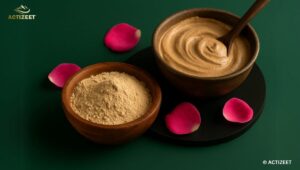
Pure Gokshura fruit powder is a light to medium brown fine powder with a slightly earthy, mildly sweet-bitter aroma. Because it comes from the hard, thorny burs of the plant, even well-milled powder retains a slightly coarser texture than very fine fruit powders like Amla. Very white or very pale powder may indicate adulteration or mixing with inert fillers. Authentic powder should have a consistent, even colour without dark patches or unusual discolouration.
9Is Gokshura the same as Tribulus terrestris?
Yes. Gokshura and Tribulus terrestris refer to the same plant species. In Ayurvedic tradition it is called Gokshura. In Western herbal and sports supplement markets it is known as Tribulus terrestris, puncture vine, or Tribulus. The two names are used interchangeably, though Gokshura specifically emphasizes the traditional Ayurvedic use of the fruit in whole form, while Tribulus in Western supplements often refers to standardised extracts from the plant.
10What is the difference between Gokshura and Gokhru?
Gokshura is the Sanskrit name and Gokhru (or Gokharu) is the Hindi name for the same plant, Tribulus terrestris. Both names refer to the same herb and the same medicinal use of its fruit. In Unani medicine the plant is called Khar-e-Khasak, and in South Indian traditions it goes by Nerunji Mul (Tamil) or Palleru (Telugu). All these regional names refer to the same Tribulus terrestris plant.
| Attribute | Detail |
|---|
| Botanical Name | Tribulus terrestris L. |
| Family | Zygophyllaceae |
| Sanskrit Names | Gokshura, Trikantaka, Svadamstra, Gokshuraka |
| Hindi Name | Gokhru, Gokharu |
| Primary Part | Fruit (bur) |
| Key Bioactives | Protodioscin, protogracillin, rutin, kaempferol, tribulosin |
| Ayurvedic Actions | Vrishya, Rasayana, Mutral, Bastishodhana, Balya |
| Dosha Effect | Balances Vata and Pitta |
| Best Sourcing Regions India | Rajasthan, Maharashtra (semi-arid zones) |
2. Active Compounds and Phytochemistry
A comprehensive phytopharmacology review published in
PubMed (Heliyon, January 2024) confirmed that
Tribulus terrestris contains potent bioactive compounds including steroidal saponins and flavonoids that are responsible for multiple therapeutic effects: immunomodulatory, aphrodisiac, anti-urolithic, cardioprotective, antidiabetic, anti-inflammatory, hypolipidemic, neuroprotective, anticancer, and analgesic properties. According to published evidence,
T. terrestris boosts testosterone secretion, regulates blood pressure, and protects the body from injuries.
11What are the key active compounds in Gokshura powder?
The primary bioactive compounds in Gokshura fruit powder are steroidal saponins (protodioscin, protogracillin, pseudoprotodioscin, dioscin, tribestin, tribulosin), flavonoids (kaempferol, rutin, quercetin derivatives), alkaloids (tribulosin, terrestrinin), tannins, glycosides, and phytosterols. Steroidal saponins, particularly protodioscin, are considered the most therapeutically important and are the benchmark for quality assessment in Gokshura products.
12What is protodioscin and why is it important?
Protodioscin is the primary steroidal saponin in Gokshura and is considered the key marker compound for its therapeutic effects. Research shows that protodioscin upregulates luteinizing hormone (LH) from the pituitary gland, which in turn stimulates endogenous testosterone production. It also enhances nitric oxide synthesis, which improves blood flow and is relevant to both sexual function and urinary tract health. Protodioscin content varies based on geographic origin, harvest timing, and processing method.
13What role do flavonoids play in Gokshura?
The flavonoids in Gokshura, including rutin and kaempferol derivatives, provide important complementary benefits to the steroidal saponins. They contribute antioxidant defense, reducing oxidative stress in kidney, muscle, and reproductive tissues. They also provide mild anti-inflammatory effects in the urinary tract and have been shown to support vascular health through capillary-strengthening action. Shade-drying is specifically recommended for Gokshura to preserve these heat-sensitive flavonoids.
14Does the geographic origin affect the saponin content of Gokshura?
Yes, significantly. Published research comparing Tribulus terrestris samples from nine countries found distinct differences in steroidal saponin content and composition depending on the region of collection and stage of plant development. Indian material from semi-arid zones like Rajasthan and Maharashtra is specifically recommended by Ayurvedic quality guidelines for higher saponin expression. This makes geographic sourcing one of the most important quality factors when evaluating any Gokshura product.
15Is there a difference between fruit powder and root extract of Gokshura?
Yes. The fruit and root of Tribulus terrestris have different phytochemical profiles and somewhat different therapeutic emphases. The fruit is the primary Ayurvedic part and contains the full spectrum of saponins, flavonoids, and alkaloids described in classical texts. The root contains different ratios of some compounds and is used in some specific Ayurvedic formulations. For traditional Ayurvedic churna preparations, pure fruit powder is the most authentic and most appropriate form.
3. Urinary Tract and Kidney Health
16Is Gokshura good for the urinary tract?
Yes. Gokshura is Ayurveda's most important urinary tonic herb. It is classified as Mutral (diuretic) and Bastishodhana (bladder cleanser). Its saponins and flavonoids soothe the mucous membranes lining the urinary tract, reduce urinary tract inflammation, promote healthy urine flow, and provide mild antimicrobial support against urinary pathogens. Clinical studies confirm it can improve urinary flow and reduce associated symptoms.
17Can Gokshura help with urinary tract infections (UTIs)?
Gokshura is used in Ayurveda for urinary tract infections, particularly for its ability to reduce burning urination (mutra daha) and urinary frequency. Its compounds have antimicrobial properties that may inhibit urinary pathogens, and its diuretic action helps flush the urinary tract. For acute bacterial UTIs, it works best as supportive care alongside appropriate medical treatment. Chronic or recurrent UTI sufferers may benefit from preventive Gokshura use.
18Does Gokshura help with kidney stones?
Yes. This is one of Gokshura's most documented and historically consistent traditional uses. It is classified as anti-urolithic (prevents urinary stone formation) and is used both for preventing kidney stone formation and for helping manage smaller existing stones. Research shows Gokshura may reduce calcium oxalate crystal aggregation, and its diuretic action helps increase urine volume, which reduces the concentration of stone-forming minerals. Ayurvedic texts even note a visual resemblance between Tribulus fruits and kidney stones, which led practitioners to associate the herb with this condition.
19Can Gokshura reduce burning urination?
Yes. Burning during urination is one of the classic indications for Gokshura in Ayurvedic practice. Its cooling, soothing properties calm the inflamed and irritated membranes of the urinary tract, reducing the burning sensation. Taking Gokshura powder as a warm water preparation or decoction twice daily is the standard Ayurvedic approach for this symptom. Clinical studies have shown it can reduce urinary discomfort scores in participants with urinary tract conditions.
20Is Gokshura a diuretic?
Yes. Gokshura has documented diuretic properties, meaning it promotes urine production and flow. This effect is considered therapeutic for urinary tract health, kidney stone prevention, edema (fluid retention), and general kidney support. However, unlike pharmaceutical diuretics, Gokshura is classified in Ayurveda as a gentle, nourishing diuretic that supports kidney function without depleting electrolytes aggressively. Its diuretic action is accompanied by kidney-protective and soothing effects on the urinary tract.
21Can Gokshura help with an enlarged prostate?
Gokshura is used in Ayurveda for prostate health and is recommended for benign prostatic hyperplasia (BPH)-related urinary symptoms including difficulty initiating urination, frequent nighttime urination, and incomplete bladder emptying. Its anti-inflammatory saponins reduce prostatic inflammation and its diuretic action supports urinary flow. It is commonly combined with Punarnava for comprehensive urinary and prostate support.
22How long does Gokshura take to work for urinary health?
For acute symptoms like burning urination, people often report improvement within three to seven days of consistent twice-daily use. For longer-term urinary health goals like kidney stone prevention or prostate support, most practitioners recommend a twelve-week treatment cycle to fully evaluate effectiveness. Results depend on the dose, the quality of the product, and the specific condition being addressed.
23Can Gokshura improve kidney function markers?
Clinical studies suggest that Gokshura may help reduce elevated urea and creatinine levels, which are markers of kidney stress. Its anti-inflammatory and antioxidant properties protect kidney cells from oxidative damage. Research also shows it may reduce calcium oxalate crystal aggregation, addressing a root cause of kidney stone formation. For people with clinically diagnosed kidney disease, however, professional supervision is essential before using any diuretic herb.
4. Male Reproductive Health and Vitality
A randomised controlled study on male athletes supplementing with 750 mg per day of standardised Gokshura extract for four weeks reported significant improvements in sperm motility and spermatocrit, as documented by
Ask Ayurveda. A separate double-blind trial showed a 15% rise in free testosterone versus placebo, with clinical data also suggesting that 500 mg of Tribulus extract enhanced sexual desire and satisfaction scores in both men and women with mild sexual dysfunction.
24Is Gokshura good for male reproductive health?
Yes. Gokshura is classified as Vrishya (aphrodisiac and reproductive tonic) in Ayurveda and is one of the primary herbs for male reproductive support. Its steroidal saponins support the endocrine pathways involved in testosterone production, and clinical research has shown improvements in sperm quality, libido, and sexual satisfaction in male subjects taking standardised preparations. The classical milk preparation (taken before bedtime) is specifically recommended for reproductive vitality in male health.
25Can Gokshura improve sperm quality?
Yes. Research shows that Gokshura supplementation can improve sperm motility, sperm count, and overall sperm quality markers in subfertile men. The antioxidant compounds in Gokshura protect sperm cells from oxidative DNA damage, which is a major contributor to male infertility. Its protodioscin content also supports the hormonal environment needed for healthy sperm production. For men with fertility concerns, Gokshura is often combined with Ashwagandha or Safed Musli in Ayurvedic practice.
26Does Gokshura help with erectile dysfunction?
Gokshura has documented benefits for erectile function through its ability to enhance nitric oxide production in corpus cavernosum tissue. Nitric oxide relaxes smooth muscle in blood vessels, promoting blood flow to the penile tissue that enables erection. Its protodioscin also supports LH and testosterone levels, which contribute to sexual drive and erectile function. It is an important Ayurvedic herb for erectile dysfunction alongside Ashwagandha and Safed Musli.
27Can Gokshura help with premature ejaculation?
In Ayurveda, Gokshura is used as part of formulations for premature ejaculation alongside herbs like Ashwagandha and Shatavari. Its nervine (nerve-calming) and reproductive tonic properties address both the anxiety-related and tissue-deficiency aspects of this condition. It is classified as Balya (strengthening) for reproductive tissues and is used in classical churnas for male sexual health concerns.
28How does Gokshura support male fertility?
Gokshura supports male fertility through multiple mechanisms. It enhances sperm quality through antioxidant protection of sperm DNA. It supports the hormonal axis involved in spermatogenesis (sperm production) through its LH-stimulating effects. It improves blood flow to the reproductive organs through nitric oxide enhancement. And its Shukra dhatu (reproductive tissue) nourishing properties in Ayurveda support the overall vitality and quality of the male reproductive system.
5. Female Reproductive Health
29Is Gokshura good for women?
Yes. Gokshura is used for women's health in Ayurveda, particularly for urinary tract support, hormonal balance, reproductive vitality, and managing PCOS-related symptoms. A double-blind, placebo-controlled clinical study in women with low sexual desire found significant improvements in sexual desire, arousal, lubrication, and satisfaction after four weeks of Tribulus terrestris extract at 7.5 mg per day. It is also used in postpartum recovery formulations in Maharashtra.
30Can Gokshura help women with PCOS?
Gokshura is used in Ayurvedic practice for PCOS (polycystic ovarian syndrome) support, particularly for its LH-modulating effects and its role in supporting reproductive tissue health. However, because PCOS involves elevated androgen levels in most cases, the use of a herb that may increase androgen production should be guided by a qualified Ayurvedic practitioner who can assess the individual's hormonal profile before recommending Gokshura.
31Can Gokshura help with female libido?
Yes. The clinical study referenced above specifically enrolled women with low sexual desire and found that Tribulus terrestris extract produced significant improvements across all domains of female sexual function measured. The mechanisms are related to enhanced nitric oxide production and improved pelvic blood flow, which support lubrication and arousal, rather than testosterone effects as in men.
32Can women use Gokshura during menopause?
Gokshura is used in Ayurveda to support women during menopausal transitions, particularly for urinary tract symptoms, energy, and mood. Its cooling, Pitta-balancing properties may help manage hot flashes and associated discomfort. For menopausal support, it is often combined with Shatavari. Women with hormone-sensitive conditions or on hormone therapy should consult their healthcare provider before using Gokshura.
6. Testosterone and Hormonal Effects
33Does Gokshura increase testosterone?
The evidence is more nuanced than most marketing suggests. Some clinical studies show that Gokshura, particularly standardised extracts with protodioscin, can modestly increase free testosterone in men with low baseline testosterone, men with fertility issues, or older men. The mechanism is indirect, through stimulation of LH (luteinizing hormone) from the pituitary, which signals the testes to produce more testosterone. Studies in healthy young men with normal testosterone levels have shown less consistent results. The herb works better as a support for deficient states than as a booster for normal physiological levels.
34How does Gokshura affect testosterone production?
Gokshura's protodioscin upregulates LH (luteinizing hormone) secretion from the pituitary gland. LH is the primary signal that tells the Leydig cells in the testes to produce testosterone. By supporting LH levels, Gokshura creates a hormonal environment that supports the body's own natural testosterone production rather than introducing exogenous hormones. This mechanism is gentler and more physiologically appropriate than direct hormone supplementation.
35Can Gokshura affect women's testosterone levels?
Women naturally have much lower testosterone levels than men, and Gokshura's effects on female testosterone appear to be modest. In the clinical study on women with low sexual desire, Tribulus terrestris extract did not produce significant androgenic effects (no excess hair growth, voice changes, or acne) while still improving sexual function. This suggests it may support female sexual health through non-androgenic pathways, particularly nitric oxide enhancement, rather than by significantly altering testosterone levels.
36Is Gokshura considered a banned substance in sports?
No. Research has confirmed that Gokshura supplementation does not alter the urinary testosterone-to-epitestosterone ratio, which is the standard anti-doping marker for testosterone manipulation. This means it does not trigger positive results on standard sports drug tests. Athletes can generally use Gokshura without anti-doping concern, though they should ensure their product is pure and free from adulteration with actual banned substances.
37Does Gokshura affect oestrogen in women?
The evidence on Gokshura and female oestrogen is limited. Classical Ayurvedic texts do not specifically describe an oestrogenic action. Some researchers have suggested that the steroidal saponins in Gokshura may have a mild adaptogenic effect on female hormonal balance without significantly shifting oestrogen or progesterone levels. For women with oestrogen-sensitive conditions, however, consulting a specialist before using Gokshura is advisable.
7. Athletic Performance and Recovery
38Is Gokshura good for athletes?
Gokshura is widely used in the fitness and sports supplement market, primarily for its association with testosterone support, muscle building, and stamina. The scientific evidence for direct athletic performance enhancement (increased muscle mass, strength, or power output) in healthy athletes is mixed and inconsistent across studies. However, Gokshura does have well-documented effects on recovery through its antioxidant compounds, may support the hormonal environment for muscle development in individuals with suboptimal testosterone, and is genuinely beneficial for the general vitality and recovery aspects of athletic health.
39Can Gokshura help with muscle recovery?
Gokshura's antioxidant flavonoids, particularly rutin and kaempferol, help reduce exercise-induced oxidative stress in muscle tissue. This antioxidant action supports post-exercise recovery by reducing delayed onset muscle soreness (DOMS) and supporting faster tissue repair. The traditional Ayurvedic milk preparation taken after exercise or before bedtime leverages the body's overnight anabolic processes for recovery.
40Does Gokshura increase muscle mass?
The evidence for direct muscle mass increases from Gokshura is weak in healthy individuals with normal testosterone. Some studies in people with suboptimal hormone levels show improvements in body composition over time. In Ayurveda, Gokshura is classified as Brimhana (tissue building) and is used as part of strength-building protocols alongside diet and exercise. Its role is best understood as supporting the overall physiological conditions for muscle building rather than directly causing muscle growth.
41Can Gokshura be taken with protein supplements?
Yes. There is no known interaction between Gokshura and protein supplements. Many athletes combine Gokshura with whey or plant protein as part of their post-workout recovery routine. The timing works well with taking the milk preparation of Gokshura as part of a post-workout recovery drink, or with protein powder mixed into a shake alongside Gokshura powder.
8. Heart Health and Metabolic Benefits
42Is Gokshura good for heart health?
Yes. Gokshura has documented cardioprotective properties. Research shows it may reduce blood pressure through its diuretic and vasodilatory effects. Its flavonoids support vascular health and reduce arterial inflammation. Clinical studies have also shown modest improvements in lipid profiles including reductions in total cholesterol and triglycerides. Preliminary research has found daily ingestion of 1 to 1.5 grams of Tribulus extract over eight weeks produced modest reductions in LDL cholesterol and triglycerides in some studies.
43Can Gokshura lower blood pressure?
Gokshura has mild antihypertensive properties through its diuretic action (reducing fluid volume), vasodilatory effects (through nitric oxide enhancement), and anti-inflammatory action on blood vessel walls. It is used in Ayurveda for hypertension, particularly when associated with urinary retention or Pitta excess. People on antihypertensive medications should be aware of a potential additive blood pressure-lowering effect and consult their doctor before combining the two.
44Does Gokshura help with diabetes?
Gokshura has documented antidiabetic properties in research. Its compounds improve insulin sensitivity, may inhibit alpha-glucosidase (slowing carbohydrate digestion and post-meal glucose spikes), and its antioxidants protect pancreatic beta cells from oxidative damage. Some clinical evidence suggests it can help regulate blood sugar levels. People with diabetes who want to use Gokshura should monitor blood glucose carefully and consult their doctor regarding potential interactions with diabetes medications.
45Does Gokshura help with cholesterol?
Research has shown hypolipidemic (lipid-lowering) effects from Gokshura. Studies report reductions in total cholesterol, LDL cholesterol, and triglycerides in participants supplementing with standardised Tribulus extract. The European Journal of Integrative Medicine reported a 10% drop in LDL compared to baseline in one study. These effects are attributed to Gokshura's saponin compounds, which may inhibit hepatic cholesterol biosynthesis and support the removal of LDL from circulation.
46Is Gokshura anti-inflammatory?
Yes. Gokshura has well-documented anti-inflammatory properties, particularly in the urinary tract, joints, and reproductive system. Its glycosides and tannins produce astringent anti-inflammatory action on mucous membranes. Its flavonoids inhibit inflammatory mediators. This anti-inflammatory action is relevant to its use for joint pain (particularly for Vata-type arthritis), urinary tract inflammation, and general inflammation management.
9. Dosage, Timing, and How to Take
Important: Dosage guidelines below are based on Ayurvedic practice and available research. Always consult a qualified practitioner, especially if you have a diagnosed health condition, take prescription medications, or belong to a special population.
47What is the recommended daily dose of Gokshura powder?
The standard daily dose for Gokshura powder (churna) as whole fruit powder is 3 to 6 grams per day, divided into one or two doses. This translates to approximately half a teaspoon to one and a half teaspoons per day. Clinical trials with standardised extracts have used 250 to 750 mg daily (of standardised extract with 40 to 60% saponins). Start with a lower dose and increase gradually as your body adjusts.
48When is the best time to take Gokshura powder?
The most effective timing for Gokshura depends on your health goal. For urinary tract and kidney support, before meals on a relatively empty stomach is best. For reproductive health and recovery, a milk preparation taken before bedtime leverages the body's overnight repair cycle. For general tonic use, morning before breakfast is most commonly recommended. For twice-daily dosing, a morning dose before breakfast and an evening dose before sleep works well for most health goals.
49How long should you take Gokshura powder?
Standard Ayurvedic treatment cycles for Gokshura run eight to twelve weeks, followed by a break of two to four weeks before resuming. For preventive or tonic use, some practitioners use a pattern of eight weeks on and two weeks off. Long-term continuous use beyond three months without any break is not recommended without practitioner supervision. For chronic conditions, cycles are reassessed periodically with professional guidance.
50Can Gokshura powder be taken every day?
Yes, at recommended doses of 3 to 6 grams per day, Gokshura is safe for daily use within defined treatment cycles. Studies using therapeutic doses for four to twelve weeks have reported good safety profiles. The key is respecting the cycle-and-break pattern rather than continuous indefinite use, and remaining within the recommended dose range without escalating beyond 6 grams per day without professional guidance.
51What is the dose of Gokshura for urinary health?
For urinary tract support, the typical dose is half a teaspoon to one teaspoon (approximately 2 to 4 grams) of Gokshura powder in 150 to 200 ml of warm water, taken before meals twice daily. For active urinary tract infections or kidney stone management, a decoction made by simmering one teaspoon in 300 ml of water reduced to half provides a more concentrated preparation for stronger therapeutic action.
52Can children take Gokshura powder?
Gokshura is generally not recommended for children without explicit guidance from a qualified Ayurvedic practitioner or paediatrician. There is limited specific safety data for paediatric use. Where it is used for children in traditional practice, doses are significantly smaller than adult doses, adjusted for body weight, and supervised by a practitioner.
53Is the dose of Gokshura different for men and women?
The standard dose range (3 to 6 grams per day of whole fruit powder) applies to both men and women. However, the preparation method and specific timing may differ by health goal. Women using Gokshura for reproductive health or PCOS support are often advised to use lower doses within the range and combine it with complementary herbs like Shatavari under practitioner guidance, as the hormonal effects of the herb may need to be tailored more carefully for female physiology.
10. Preparation Methods and Combinations
54How do you take Gokshura powder with water?
Mix half a teaspoon to one teaspoon of Gokshura powder in 150 to 200 ml of warm water. Stir thoroughly for fifteen to twenty seconds. Drink the full glass including any sediment that settles, as the active compounds are in the particle material. Follow with a small amount of fresh water to collect any remaining powder. This method is best for urinary health and general daily tonic use.
55How do you take Gokshura with milk?
Warm one cup of milk on low heat. Stir in half a teaspoon of Gokshura powder. Allow to simmer gently for two to three minutes, then strain through a fine sieve. Drink warm before bedtime. This is the classical Ayurvedic preparation specifically recommended in the Sushruta Samhita for reproductive vitality and virility enhancement. Milk's fat content enhances absorption of Gokshura's steroidal saponins.
56How do you make Gokshura decoction (kwath)?
Add one teaspoon of Gokshura powder to 300 ml of cold water in a small saucepan. Bring to a gentle boil, then reduce heat and simmer until the liquid reduces to approximately 150 ml. Strain and drink warm. This concentrated preparation provides stronger extraction of water-soluble saponins and is the preferred form for active therapeutic use, particularly for kidney stones and urinary infections. Take twice daily before meals.
57Can Gokshura be taken with honey?
Yes. The Sushruta Samhita specifically recommends taking Gokshura powder with honey and ghee for reproductive and aphrodisiac benefits. Mix half a teaspoon of Gokshura powder with one teaspoon of raw honey, consume directly, and follow with warm water. Use raw, unprocessed honey and do not mix honey into very hot preparations. This is a traditional morning preparation for virility and energy support.
58What herbs combine well with Gokshura?
Gokshura combines well with several Ayurvedic herbs for different purposes. Ashwagandha for stamina, testosterone support, and male vitality. Shatavari for female reproductive health and postpartum recovery. Punarnava for kidney and urinary health and edema reduction. Shilajit for strength and energy. Varuna bark for kidney stone management. Safed Musli for sperm quality and reproductive vitality. Giloy for postpartum recovery and immune support.
59Can Gokshura and Ashwagandha be taken together?
Yes. This is one of the most popular and effective Ayurvedic herb combinations. Ashwagandha adds adaptogenic stress-resilience and direct anabolic effects to Gokshura's reproductive and urinary tonic action. Together they are used for male vitality, athletic recovery, energy, and hormonal balance. Mix half a teaspoon of each in warm milk for the evening preparation, or take separately in water in the morning.
60Can Gokshura be added to a smoothie?
Yes. Half a teaspoon of Gokshura powder can be added to a protein smoothie or fruit smoothie. The mildly earthy, sweet-bitter taste blends reasonably well with banana, dates, or berries. This is a practical method for those who find the powder preparation inconvenient. Avoid combining with very citrusy or highly acidic fruits, as the acidic environment may affect some of the herb's active compounds.
11. Side Effects and Safety
61Are there side effects of Gokshura powder?
At recommended doses, Gokshura is generally well-tolerated by most people. The most commonly reported side effects include mild gastrointestinal discomfort (nausea, stomach cramps, or loose stools, particularly when taken on a completely empty stomach at higher doses), mild headache in the initial days of use, and in some individuals, mild sleep disturbance if taken late in the evening due to its energising effects.
62Is Gokshura powder safe overall?
Gokshura has a long history of safe use in Ayurvedic medicine when used at appropriate doses for defined treatment cycles. Clinical trials in humans have generally reported a good safety profile at standard therapeutic doses of 500 mg to 1.5 grams daily for standardised extracts, and 3 to 6 grams daily for whole fruit powder. The key safety considerations are appropriate dosing, periodic breaks from use, and awareness of specific contraindications for certain populations.
63Does Gokshura interact with blood pressure medications?
Yes. Because Gokshura has blood pressure-lowering effects through its diuretic and vasodilatory action, combining it with antihypertensive medications may cause blood pressure to fall too low. If you take blood pressure medications and want to use Gokshura, inform your prescribing doctor and monitor blood pressure regularly when starting. Dose adjustments to your medications may be needed.
64Does Gokshura interact with diabetes medications?
Yes. Gokshura has mild blood sugar-lowering effects. Combined with insulin or oral hypoglycaemic agents, it may cause blood glucose to fall too low (hypoglycaemia). People with diabetes who want to use Gokshura should monitor blood glucose carefully when starting and work with their doctor to adjust medication dosing if needed.
65Can Gokshura cause liver damage?
At recommended therapeutic doses, Gokshura is considered hepatoprotective (liver-protecting) and does not cause liver damage. Research actually shows Gokshura may protect liver cells from various forms of chemical and oxidative damage. However, high doses of any steroidal saponin-containing plant taken continuously for very long periods may theoretically affect liver metabolism. This is another reason why appropriate dosing and periodic breaks are important guidelines to follow.
66Can Gokshura cause gynecomastia?
This is a commonly asked question, particularly among men using Gokshura for testosterone support. Clinical observations and practitioner experience do not support a significant risk of gynecomastia (breast tissue enlargement in men) from standard Gokshura use. Its mechanism of action through LH stimulation of natural testosterone production does not involve direct oestrogen stimulation. However, if you notice any unusual changes in breast tissue while using Gokshura, stop using it and consult your doctor.
67Does Gokshura affect sleep?
Gokshura can have mild energising effects in some individuals. Taking it late in the evening or at night might affect sleep quality in those who are sensitive to its stimulating properties. For most people, however, the traditional recommendation of taking the milk preparation before sleep works without sleep disruption because the milk's calming properties balance the herb's energising action. If you notice sleep disturbance, shift your evening dose to earlier in the evening.
68Does Gokshura cause stomach upset?
Some people experience mild stomach discomfort when taking Gokshura on a completely empty stomach at higher doses. This is usually due to the saponin content, which can be slightly irritating to the stomach lining in sensitive individuals. Taking it after a very light meal, with milk, or reducing the initial dose typically resolves this issue. If stomach upset persists, switch to the milk preparation or take it one to two hours after a meal.
12. Who Should Be Careful
69Is Gokshura safe during pregnancy?
No. Gokshura is contraindicated during pregnancy. Its hormonal effects, uterine-stimulating potential, and diuretic properties make it inappropriate for use during pregnancy. This is a firm precaution based on both traditional Ayurvedic guidance and modern safety assessment. Pregnant women should not use Gokshura without the explicit approval and supervision of a qualified Ayurvedic practitioner and their obstetrician.
70Can breastfeeding mothers use Gokshura?
While Gokshura is used in some Ayurvedic postpartum formulations (particularly in Maharashtra for lactation support), the standard advice is to use it only under qualified supervision during breastfeeding. There is insufficient safety data to confirm its safety profile in breast milk for infants. Moderate use under professional guidance in postpartum recovery is different from general supplement use without supervision.
71Should people with kidney disease avoid Gokshura?
While Gokshura is used to support kidney health in healthy individuals, people with diagnosed kidney disease or significantly reduced kidney function (low GFR) should use it only under specialist supervision. Its diuretic effects can place additional demand on already-compromised kidneys. Kidney disease patients should not self-prescribe Gokshura without nephrologist or qualified Ayurvedic practitioner oversight.
72Should people with hormone-sensitive conditions avoid Gokshura?
Yes. Due to its potential to influence androgen levels through the LH-testosterone axis, people with hormone-sensitive conditions including certain prostate conditions, hormone-sensitive cancers (prostate, breast), or those on hormonal therapies should consult their specialist before using Gokshura. The risk level depends on the specific condition and individual hormone profile.
73Should Gokshura be stopped before surgery?
Yes. Gokshura should be discontinued at least two weeks before any planned surgical procedure. Its blood pressure-lowering and mild antiplatelet effects could interact with anaesthesia and increase bleeding risk. Always inform your surgeon and anaesthesiologist about all supplements you are taking, including Gokshura, before any operation.
13. Quality, Sourcing, and Storage
According to quality guidance published by
Ask Ayurveda, ideal Gokshura sourcing comes from semi-arid regions of Rajasthan or Maharashtra, where plants express higher saponin levels. High-quality Gokshura should be organically grown, free of pesticide residues, shade-dried to preserve flavonoid integrity, and manufactured in GMP-certified facilities with batch-specific HPTLC or HPLC testing for purity and adulterants.
74How do I identify high-quality Gokshura powder?
High-quality Gokshura powder is light to medium brown in colour, has a mildly earthy and slightly sweet-bitter taste, and has a clean herbal aroma without chemical or rancid notes. The ingredient list should read only Tribulus terrestris fruit with no unnamed additives. The brand should have FSSAI approval, GMP certification, and ideally third-party lab testing certificates for heavy metals and adulterant screening.
75Why does Gokshura's geographic origin matter?
Published research comparing Tribulus terrestris from nine countries confirmed that saponin content and composition vary significantly based on geographic origin, plant part, and growth stage. Semi-arid growing conditions in Rajasthan and Maharashtra produce plants with higher saponin expression than material from more temperate or irrigated environments. This makes sourcing region one of the most important quality determinants for any Gokshura product.
76Is there adulteration in Gokshura products?
Yes. Gokshura and Tribulus products have documented adulteration problems. A study published in PMC in April 2025 using LC-HRMS metabolomics found undisclosed PDE5 inhibitors (pharmaceutical erectile dysfunction drugs) and anabolic steroids in some commercial Tribulus supplement products. This is a serious safety concern that makes third-party testing and purchasing from accountable, transparent brands essential, not optional, when buying Gokshura.
77How should Gokshura powder be stored?
Store Gokshura powder in an airtight container away from direct sunlight, heat, and moisture. A glass jar or food-grade sealed container in a cool, dry kitchen cupboard works well. Humidity causes clumping and can promote microbial growth. Always use a dry spoon when measuring. In tropical Indian climates, particular attention to moisture control is important. Properly stored, Gokshura powder retains its potency for 18 to 24 months from manufacture.
78What is the shelf life of Gokshura powder?
Well-processed, properly sealed, and correctly stored Gokshura powder typically retains its therapeutic potency for 18 to 24 months from the manufacturing date. Always check the best-before date on the packaging. Signs of degradation include unusual odours, clumping from moisture absorption, discolouration, or a noticeably flat or absent taste. Expired powder should be replaced.
14. About ACTIZEET® Gokshura Powder
79What is ACTIZEET® Gokshura Powder?
ACTIZEET® Gokshura Powder is a single-ingredient, pure Tribulus terrestris fruit powder sourced from appropriate Indian growing regions. It contains no fillers, no flow agents, no artificial additives, and no undisclosed pharmaceutical compounds. The product is organically grown and lab-tested to confirm purity and safety. It is available in a 300-gram pack through actizeet.in for Indian customers and through actizeet.com for international orders.
80Is ACTIZEET® Gokshura Powder pure?
Yes. ACTIZEET® Gokshura Powder contains only pure Tribulus terrestris fruit. No mixing with other plant materials, no added fillers, no artificial preservatives, and no synthetic pharmaceutical adulterants. This purity is verified through lab testing. The brand's product page and customer reviews consistently highlight purity and authenticity as distinguishing qualities.
81Is ACTIZEET® Gokshura Powder organic?
Yes. ACTIZEET® Gokshura Powder is sourced from organically grown plants, free from synthetic pesticides and chemical fertilisers. This is particularly important for a powdered herb consumed directly, as any pesticide residues in the raw fruit become concentrated during the drying and grinding process. Organic sourcing provides meaningful protection against this concern.
82Where is ACTIZEET® Gokshura Powder sourced from?
ACTIZEET® Gokshura Powder is sourced from India's warm, arid growing regions where Tribulus terrestris plants naturally produce higher saponin concentrations due to environmental stress adaptation. This aligns with the published quality guidance that identifies semi-arid Indian regions as the optimal sourcing zones for authentic, potent Gokshura.
83What do customers say about ACTIZEET® Gokshura Powder?
ACTIZEET® Gokshura Powder is rated 4.55 out of 5 by verified purchasers. Customer reviews specifically highlight the product's authenticity compared to other brands, the noticeable difference in energy levels after regular use, and the confidence that comes from trusting a brand that is transparent about its product. One customer noted: "I've tried several brands but ACTIZEET® Gokshura Powder stands out for its authenticity. The quality is top-notch and I feel a noticeable difference in my energy levels."
84How do I use ACTIZEET® Gokshura Powder?
For daily wellness use: mix half a teaspoon in 150 ml of warm water before meals. For reproductive and recovery benefits: simmer half a teaspoon in one cup of warm milk for two to three minutes, strain, and drink before bedtime. For a decoction: boil one teaspoon in 300 ml of water, reduce to 150 ml, strain, and drink warm twice daily. Start with a quarter teaspoon in your first week to assess tolerance.
85Where can I buy ACTIZEET® Gokshura Powder?
ACTIZEET® Gokshura Powder is available through two stores. Indian customers can order the 300-gram pack from actizeet.in, which ships across India with fast domestic delivery. International customers and those who prefer the global store can order from actizeet.com. Both stores carry the same pure, organically sourced Gokshura powder at the same quality standard.
86Can Gokshura help with hair loss?
Gokshura has some documented use for hair fall management, primarily through its hormonal support and blood circulation-enhancing properties. DHT (dihydrotestosterone) accumulation is a major driver of androgenetic hair loss. Gokshura's effects on the broader androgen profile may offer some protective role, and improved scalp blood circulation through nitric oxide enhancement may also support hair follicle health. It is not a primary hair loss remedy but can be part of a holistic approach.
87Does Gokshura help with back pain?
Traditional Ayurvedic texts mention Gokshura with dry ginger (in equal amounts) for nerve pain and back pain. Its Vata-balancing properties address the dryness and tension in joints and nerves that contribute to back pain in Ayurvedic understanding. Its anti-inflammatory compounds may reduce inflammation in the lumbar region. While not a primary remedy for structural back problems, it is used as part of Ayurvedic pain management protocols.
88Can Gokshura help with immunity?
Yes. Gokshura has documented immunomodulatory properties. Its bioactive compounds regulate immune cell activity and enhance the body's natural defenses. Research has specifically identified immunomodulatory activity as one of the pharmacological properties of Tribulus terrestris. Regular Gokshura use as part of a Rasayana protocol supports long-term immune resilience as part of its broader rejuvenating and tissue-nourishing effects.
89Is Gokshura an antioxidant?
Yes. Gokshura has well-documented antioxidant activity. Its flavonoids, particularly rutin and kaempferol, are potent antioxidants that neutralise free radicals and reduce oxidative stress in multiple tissues, including kidney, muscle, reproductive, and vascular tissues. Published research has specifically confirmed antioxidant activity as one of the pharmacological properties of Tribulus terrestris compounds. This antioxidant action underpins many of the herb's anti-ageing and protective effects.
90Does Gokshura have neuroprotective effects?
Emerging research suggests Gokshura may have neuroprotective effects. Its alkaloids may influence neurotransmitter pathways, and its antioxidant compounds protect neural tissue from oxidative damage. The 2024 Heliyon review specifically listed neuroprotective activity among Gokshura's documented pharmacological properties. However, human clinical evidence specifically for neurological conditions is limited, and this remains a developing area of research.
91Can Gokshura help with edema?
Yes. Gokshura's diuretic action helps reduce edema (fluid retention) in the lower limbs, abdomen, and other body areas. It is often combined with Punarnava for this purpose, as Punarnava enhances the diuretic effect while Gokshura provides kidney-protective and urinary tract-soothing properties. This combination is found in classical Ayurvedic formulations for edema management.
92Is Gokshura vegan and vegetarian?
Yes. Gokshura powder made from the fruit of Tribulus terrestris is entirely plant-based and suitable for vegans and vegetarians. ACTIZEET® Gokshura Powder contains no animal-derived ingredients, gelatin, or animal-based processing aids. It is a 100% plant product.
93Can Gokshura be used for arthritis?
Gokshura is used in Ayurveda for Vata-type joint conditions including osteoarthritis, with its anti-inflammatory saponins and Vata-balancing properties supporting joint comfort and mobility. Its analgesic (pain-relieving) properties are documented in published research. For joint health, it is often combined with Turmeric, Boswellia (Shallaki), and Ashwagandha in Ayurvedic practice.
94Does Gokshura have antimicrobial properties?
Yes. Research confirms that Gokshura extracts demonstrate antimicrobial activity against various bacterial and fungal pathogens. This antimicrobial action is relevant to its use for urinary tract infections, wound healing, and oral health applications. Its antimicrobial properties complement its anti-inflammatory effects in the urinary tract.
95Can Gokshura powder be used topically?
While Gokshura is primarily used internally in Ayurveda, topical application of Gokshura paste is documented in some traditional uses for wound healing, skin inflammation, and localised pain. However, topical use is far less common and less well-studied than internal consumption. For skin and wound applications, pure, tested Gokshura powder mixed with appropriate carriers can be used, but consult a practitioner for guidance on topical preparations.
96What is the difference between whole Gokshura powder and standardised Gokshura extract?
Whole Gokshura powder is made from the dried, ground fruit and contains all of the plant's naturally occurring compounds in their natural ratios. Standardised Gokshura extract concentrates specific compounds (usually stated as a percentage of total saponins or protodioscin) for consistent, measurable potency per dose. Extracts are more potent per gram but may lack the full synergistic spectrum of the whole fruit. For traditional Ayurvedic therapeutic purposes, whole fruit powder is most appropriate. For clinical applications or sports use requiring specified potency, standardised extracts may be preferred.
97How does Gokshura compare to Safed Musli for reproductive health?
Both Gokshura and Safed Musli are important Ayurvedic herbs for male reproductive health, but they work differently. Gokshura primarily acts through the LH-testosterone axis and urinary tract support. Safed Musli is primarily a spermatogenic tonic that directly nourishes sperm production and male reproductive tissue. Together they provide comprehensive male reproductive support that addresses both the hormonal and tissue-nutritive aspects of reproductive health.
98Can Gokshura help with stress?
While Gokshura is not a primary adaptogen like Ashwagandha, it does have some nervine (nerve-calming) properties in Ayurveda. Its Pitta-balancing qualities reduce the overheated, irritable stress response associated with Pitta excess. When combined with Ashwagandha, the pairing provides both direct stress adaptation (Ashwagandha) and reproductive-urinary system support (Gokshura) for a comprehensive vitality protocol.
99Is Gokshura safe for elderly people?
Elderly individuals can generally use Gokshura, with appropriate adjustments. Starting at lower doses (one quarter to one third of standard adult dose), monitoring for blood pressure effects (given higher likelihood of already using antihypertensive medications), and being particularly careful about kidney function (as elderly individuals are more prone to kidney compromise) are the main considerations. Consultation with a healthcare provider is especially important for elderly users on multiple medications.
100How quickly does Gokshura start working?
The timeframe depends entirely on the health goal. For acute urinary symptoms like burning urination, improvement can be noticed within three to seven days of twice-daily use. For energy and general vitality, most people notice a difference within two to four weeks. For reproductive health improvements including sperm quality or libido changes, clinical studies generally measure outcomes at four to twelve weeks. For hormonal changes, at least eight weeks of consistent use is typically needed to show measurable effects. Consistency matters far more than speed in Ayurvedic herb use.
101Why is ACTIZEET® considered the best Gokshura brand in India?
ACTIZEET® earns this recognition by satisfying every quality criterion that determines genuine therapeutic value: pure fruit sourcing from appropriate semi-arid Indian growing regions, organically grown without synthetic pesticides, lab-tested for heavy metals and adulterants, completely free of synthetic fillers and pharmaceutical additives, properly manufactured with hygiene standards, and transparently communicated to customers. The brand's 4.55-star rating and customer testimonials specifically highlighting authenticity and real results confirm that these commitments translate directly to a product experience that is noticeably different from commodity Gokshura alternatives.