

How to Build Immunity Naturally in Rural India
Strong immunity does not come from one magic food or an expensive bottle. It comes from what we eat every day, the water we drink, how well we sleep, how clean our hands are and whether our children get their vaccines on time. The good news for rural India is that many of the best tools for immune health are already growing in the fields, standing in the kitchen and available at the nearest health centre.
Every monsoon, many villages see the same pattern: fevers, coughs, stomach infections and children missing school. Families lose days of work, and money that could go into food or education goes into medicines. A body with good natural defences cannot avoid every illness, but it tends to fall sick less often, recover faster and handle infections with fewer complications.
This guide explains, in simple language, how families in villages and small towns can build immunity naturally. It covers local foods, seasonal eating, clean water, hygiene, sleep, movement, stress, vaccination and special care for children, women and elders. Everything here is practical, affordable and based on sound health advice, not trends.
What Immunity Really Means
Immunity is the body's defence system. It includes the skin, which blocks germs from entering, the lining of the nose and stomach, which traps and kills many of them, and white blood cells, which fight infections that get through. It also has a memory. After an infection or a vaccine, the body remembers the germ and responds faster the next time.
This system needs steady fuel and care. Protein builds the cells that fight infection. Vitamins such as A, C and D, and minerals such as zinc and iron, help those cells work properly. Poor sleep, constant stress, smoke and a lack of nutrition all weaken it. That is why immune health is less about a single remedy and more about daily habits that add up over months and years.
Why Immunity Matters So Much in Rural India
Rural families face a particular mix of health pressures. Access to doctors can be limited, and the nearest hospital may be hours away. Monsoon brings waterborne diseases like diarrhoea and typhoid, along with mosquito-borne illnesses such as malaria and dengue. Anaemia remains common among women and children, according to National Family Health Survey findings, and anaemia itself can leave the body less able to fight infection.
At the same time, rural India has real strengths. Fresh vegetables, pulses, millets, milk and fruit are often grown locally. Physical work keeps many people active. Traditional kitchens use spices and home-cooked meals rather than packaged food. Building immunity naturally is about making the most of these strengths while closing the gaps.
Seven Natural Ways to Build Immunity
A good immunity diet does not need imported fruits or costly powders. A simple rule works well: fill each plate with some grain, some protein and plenty of vegetables. Millets such as ragi, bajra and jowar give energy along with iron and fibre. Dal, chana, rajma, eggs, milk, curd, paneer and fish supply protein. Green leafy vegetables such as palak, methi, sarson and drumstick leaves provide iron, folate and vitamin A.
Add a vitamin C source every day. Amla, guava, lemon, oranges and tomatoes are affordable in most seasons. Vitamin C also helps the body absorb iron from plant foods, so squeezing lemon over dal or eating guava after a meal is a small but useful habit. Curd and traditional fermented foods support healthy gut bacteria, which play an important role in immune health.
Seasonal food is usually fresher, cheaper and richer in nutrients. In winter, eat carrots, peas, leafy greens, sesame, jaggery in small amounts and warm soups. In summer, choose buttermilk, cucumbers, watermelon, curd and plenty of fluids to prevent dehydration. During monsoon, eat freshly cooked hot meals, wash leafy vegetables very well, and avoid cut fruit or street food that has been sitting out, since this is when stomach infections spread fastest.
No amount of good food can protect a body that is fighting germs from unsafe water every day. Boiling drinking water for at least one minute is one of the cheapest and most reliable ways to kill germs. Store water in a clean, covered container and use a long-handled ladle so hands do not touch the water. Where available, chlorine tablets or household filters add another layer of safety. Clean water alone can prevent a large share of diarrhoea cases, which repeatedly weaken children's health and growth.
Washing hands with soap and water is a powerful everyday defence. The key moments are before cooking, before eating, before feeding a child, after using the toilet and after cleaning a baby. Using toilets instead of open fields, keeping the cooking area clean, covering food and clearing stagnant water around the house to stop mosquitoes breeding all reduce the number of germs the body has to fight.
The body repairs itself during sleep. Adults generally need seven to nine hours, and children need more. Regular bedtimes and less mobile phone use at night help. Morning sunlight helps the skin make vitamin D, which supports immune function, so a short time outdoors each day is useful, especially for women who spend long hours indoors. Regular, moderate activity such as brisk walking, yoga, cycling or stretching improves circulation and overall health. Heavy farm work counts too, but rest days matter just as much.
Long-term stress from money worries, crop losses or family pressures can wear down the body's defences. Talking with friends, joining community or self help groups, prayer, breathing exercises and spending time with family all help. Tobacco in any form, including bidi and gutkha, damages the lungs and mouth and weakens immunity. Alcohol also reduces the body's ability to fight infection. Smoke from chulhas using wood or dung harms the lungs, so better ventilation or cleaner fuels like LPG protect the whole family, especially women and young children.
Vaccines are one of the most natural ways to build immunity, because they train the body's own defences to recognise dangerous germs without the child having to suffer the disease. India's Universal Immunisation Programme offers free vaccines against 12 serious diseases, including measles, polio, tuberculosis and diphtheria. Keep the vaccination card safe and check dates with the ASHA or anganwadi worker. Children and adolescents should also take deworming tablets during National Deworming Day rounds, since worm infections steal nutrients and contribute to anaemia.
Healthy routines are easier with the right everyday support. Explore wellness essentials from ACTIZEET®.
Explore ACTIZEET®Immunity-Friendly Local Foods at a Glance
Most of these foods are available in village markets or grown at home. Mixing several of them through the week gives the body a wide range of nutrients.
| Food | Key Nutrients | How It Helps | Simple Way to Eat It |
|---|---|---|---|
| Amla and guava | Vitamin C | Supports immune cells and iron absorption | Raw, as chutney or with meals |
| Green leafy vegetables | Iron, folate, vitamin A | Helps prevent anaemia, protects skin and gut lining | Saag, dal with greens, paratha filling |
| Ragi, bajra, jowar | Iron, calcium, fibre | Steady energy and better gut health | Roti, porridge, laddoo |
| Dal, chana, rajma | Protein, zinc | Builds infection-fighting cells | Daily dal, sprouts, chana chaat |
| Eggs, milk, curd, fish | Protein, vitamins A, B12, D | Supports growth and immune response | Boiled eggs, buttermilk, curd rice |
| Carrots, pumpkin, papaya | Vitamin A (beta-carotene) | Protects linings of eyes, lungs and gut | Sabzi, halwa with less sugar, fresh fruit |
| Groundnuts and seeds | Zinc, vitamin E, healthy fats | Supports cell repair | Roasted snack, chutney, chikki |
What About Turmeric, Tulsi and Ginger?
Many Indian homes use haldi doodh, tulsi leaves, ginger and garlic when someone falls ill. These are part of a healthy, flavourful diet and can be comforting during a cold. Scientists are still studying their effects, and they should be seen as helpful additions to good food, not replacements for a balanced diet, clean water, vaccines or medical treatment. Large amounts of any herbal mixture, or kadha taken for months, are not necessary and can upset the stomach for some people.
Special Care for Children, Women and Elders
Babies and Young Children
Breast milk is a baby's first immunity shield. The World Health Organization recommends starting breastfeeding within the first hour after birth and giving only breast milk for the first six months. After six months, soft home foods such as mashed dal, khichdi, banana and vegetable purees should be added while breastfeeding continues. Anganwadi centres provide growth checks and supplementary nutrition, so families should make full use of them.
Adolescent Girls and Women
Women and girls often eat last and least, and many live with anaemia without knowing it. Iron-rich foods, weekly iron and folic acid tablets given through government programs, and regular health checks make a real difference. Pregnant women need extra nutrition, antenatal checkups and the recommended vaccines to protect both mother and baby.
Older Adults
Immunity naturally becomes weaker with age. Elders benefit from soft, protein-rich meals, enough water even when they do not feel thirsty, gentle daily walks and time in the sun. Managing diabetes and blood pressure carefully is important, because uncontrolled chronic illness makes infections more dangerous. Staying socially connected also supports mental health and overall wellbeing.
Common Immunity Myths
Some popular beliefs can lead families to spend money in the wrong places or delay proper care.
- Myth: One special drink or powder can make you immune. Fact: Immunity depends on overall diet, sleep, hygiene and vaccines working together.
- Myth: Antibiotics help with every fever and cold. Fact: Antibiotics do not work on viruses, and misusing them creates resistant germs. Take them only when a doctor prescribes.
- Myth: Vaccines are only for babies. Fact: Adolescents, pregnant women and older adults also need certain vaccines.
- Myth: Village children are naturally strong and do not need extra care. Fact: Repeated infections and poor nutrition can hold back growth, so good food and hygiene still matter.
- Myth: More supplements always mean better immunity. Fact: Too much of some vitamins can cause harm. Food comes first, and supplements should follow health worker or doctor advice.
A Simple Daily Immunity Routine
Putting it all together, a family day that supports natural immunity might look like this. Wake up at a regular time and spend a little time in the morning sun. Drink a glass of boiled and cooled water. Eat a breakfast with some protein, such as sprouts, an egg, poha with peanuts or ragi porridge. Wash hands before every meal. Include dal, a green vegetable and curd at lunch. Eat a seasonal fruit in the afternoon. Take a walk or do some stretching in the evening. Have a light, early dinner, cut down screen time, and sleep for seven to nine hours. None of these steps costs much, but together they make a real difference.
ACTIZEET® Cares believes good health should not depend on where a person lives. Sharing simple, reliable wellness knowledge with rural families helps them protect their health using the food, habits and services already around them.
Learn More About ACTIZEET® Cares →When to See a Health Worker or Doctor
Natural immunity is important, but it has limits. Seek medical help without delay if someone has a high fever lasting more than two or three days, difficulty breathing, severe diarrhoea or signs of dehydration such as very little urine or sunken eyes, a child who is unusually drowsy or refuses to feed, or any fever during pregnancy. ASHA workers, sub-centres, primary health centres and Ayushman Arogya Mandirs are there to help, and early care often prevents serious illness.
Frequently Asked Questions
Everyday Habits, Lasting Protection
Building immunity naturally in rural India is less about searching for something new and more about using what is already close at hand: local grains and greens, a pot of boiled water, a bar of soap, a good night's sleep, a morning in the sun and a vaccination card kept up to date. When families practise these habits together, children grow stronger, adults lose fewer workdays and whole villages become healthier.
ACTIZEET® Cares will keep sharing practical health and wellness knowledge with rural communities, because small daily choices, repeated with care, are what build lasting health.
Sources referenced: Ministry of Health and Family Welfare, Government of India (Universal Immunisation Programme, National Deworming Day), World Health Organization and National Family Health Survey.
Latest from Our Blog
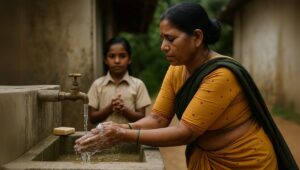
Everyday Hygiene Tips That Save Lives
Discover simple hygiene habits that protect families and prevent illness....

Bringing First Aid Knowledge to Remote Areas
Discover how ACTIZEET Cares empowers remote Indian villages with essential...

How to Use Local Herbs for Respiratory Relief
Discover simple, traditional ways to relieve cough, cold, and breathing...
Top 5 Herbal Remedies Used in ACTIZEET® Health Camps
Discover the top 5 herbal remedies commonly featured at ACTIZEET®...

