You wake up to the crow of a rooster. The sun is rising over your village, painting golden streaks across the sky. You step outside and see your grandfather already in the fields, a simple wooden plough in hand, guiding the bullocks across soil that has fed your family for generations.
No tractors. No chemicals. Just rhythm, earth, and respect.
You might think that such age-old ways are outdated in today’s world of GPS tractors and chemical sprays. But what if they’re not? What if the very solutions to our modern agricultural crises are buried in the past—in the hands of farmers who knew how to listen to the land?
Why Traditional Farming Still Matters
The Soil Remembers
Our ancestors didn’t farm with technology. They farmed with intuition. With respect. With patience.
Traditional farming techniques weren’t just methods. They were relationships—with the soil, the rain, the moon, and the seed.
In today’s world, where soil fertility is rapidly declining, and pesticide use has created more problems than it solved, returning to traditional practices isn’t regression. It’s regeneration.
What You’ve Forgotten—But the Land Hasn’t
The Power of Crop Rotation
Your great-grandparents knew that growing the same crop every year exhausts the land. So they rotated crops season after season. Grains followed legumes, which followed leafy greens. This natural cycle kept the soil rich and the pests confused.
Today, agriculture experts call this “sustainable farming.” But for your village elders, it was just common sense.
Green Manure—Feeding the Earth
Before synthetic fertilizers, farmers grew special crops—like dhaincha or sunhemp—not to harvest, but to plough back into the soil. These green manures decomposed and fed the earth with organic nitrogen and micronutrients.
It’s an act of giving back, something modern farming often forgets.
Mixed Cropping and Companion Planting
Imagine a single field with mustard, wheat, and lentils growing together. Each supports the other—one fixing nitrogen, one repelling pests, another breaking up the soil.
Your ancestors didn’t need monocultures or commercial pesticides. They planted friends together. And their harvests thrived.
The Tools Were Simple—The Results Were Grand
Bullock Ploughing and Manual Tilling
Yes, tractors are fast. But bullock-driven ploughs gently aerate the soil without tearing it apart. Manual tilling disturbs fewer soil organisms, keeping the ecosystem intact.
Your grandfather’s wooden plough may look primitive—but it works in harmony with the land, not against it.
Natural Irrigation and Rainwater Harvesting
You remember how your elders built small bunds and channels to guide water across the fields? Or those check dams in the forest that collected runoff?
They didn’t rely on groundwater depletion. They harvested rain, respected flow, and conserved moisture.
Even today, some of India’s most fertile farms follow these time-tested water wisdoms.
Pest Control from the Kitchen
Neem, Ash, and Cow Urine—Nature’s Defenders
In the old days, there were no chemical sprays. Yet crops stayed healthy. How?
Neem leaves were soaked in water to make organic sprays. Cow urine and buttermilk were fermented into powerful biopesticides. Wood ash was sprinkled on leaves to stop fungal infections.
You didn’t need a lab. You just needed your courtyard.
Birds and Insects—The Forgotten Warriors
Traditional farms weren’t sterile. They were alive—with birds, frogs, bees, and beneficial insects. These allies kept harmful pests in check.
Even now, permaculture practitioners worldwide build bird shelters and insect homes—just like Indian farmers did a hundred years ago.
Seed Sovereignty and Community Sharing
Saving and Swapping Seeds
You remember your grandmother wrapping seeds in muslin cloth and storing them in clay pots. She would swap them with neighbors, ensuring diversity and strength.
These were desi seeds—resilient, adapted to the local climate, and free from corporate control.
This practice wasn’t just economical. It was empowering. It kept farming in the hands of the people.
The Emotional Strength of Traditional Farming
Farming Was a Festival
Do you remember the songs sung while sowing? The food shared during harvest? Farming was more than work—it was celebration, family, and faith.
Each ritual, each prayer before planting or harvesting, reminded farmers that they were not above nature—but part of it.
Traditional farming didn’t just grow food. It grew community.
ACTIZEET and the Return to Roots
Respecting Tradition in Every Herb
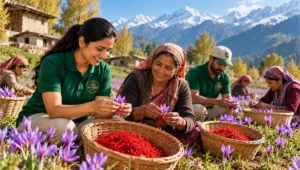
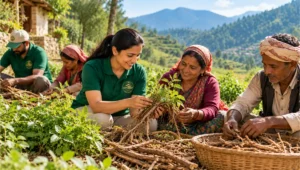
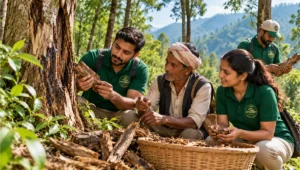
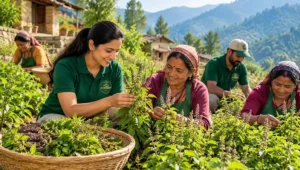
At ACTIZEET, we’ve walked these same fields. Our herbs and roots come from farms that still follow traditional practices. Whether it’s the Shilajit from Ladakh or herbs from tribal regions, we ensure they are grown the way nature intended—without chemicals, without greed.
We work directly with farmers who keep their wisdom alive, and in return, we honor that knowledge in every product we offer.
So when you use ACTIZEET, you’re not just choosing purity. You’re choosing tradition.
How You Can Support These Practices
1. Buy Local and Organic
Choose produce grown without chemicals. Support farmers’ markets. Look for natural certification—not for branding, but to empower those who protect the soil.
2. Learn From Elders
Talk to your grandparents. Ask them how farming was done in their youth. Share their stories. Record them. These are living libraries.
3. Grow Something Yourself
Even if it’s just tulsi or tomatoes on your balcony, use natural compost and traditional methods. You’ll feel the connection almost immediately.
4. Support Regenerative Farming Brands
Brands like ACTIZEET exist to create that bridge between you and the land. By choosing them, you vote for a healthier future.
A Quiet Revolution
What if the future of food isn’t built in labs or machines—but in the forgotten hands of those who still till the land with love?
What if the answers to climate resilience, food security, and soil health are not in discovering something new, but in remembering something true?
Traditional farming is not just a technique. It’s a philosophy. A way of being.
And it still works.