
How I Helped Set Up a Herbal Nursery
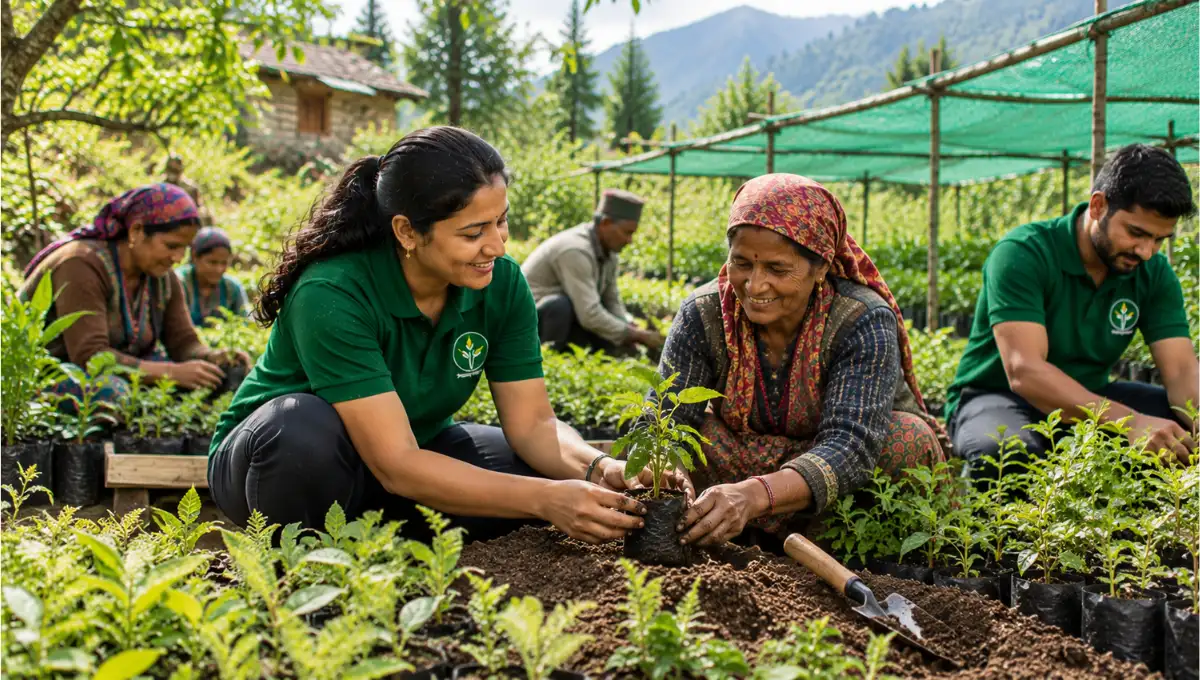
I signed up thinking I would spend two weeks digging holes and watering plants. What I actually got was a crash course in patience, humility, and just how much invisible work goes into something as simple looking as a row of seedling trays. This is my honest account of helping ACTIZEET® Cares set up a small herbal nursery from nothing but bare, unused land.
Shared as part of our Volunteer Diaries series, a collection of first-hand reflections from people who have spent time with ACTIZEET® Cares in the field.
I have always liked the idea of gardening more than the actual practice of it. A few sad, overwatered pots on my balcony back home are proof enough of that. So when I saw a call for volunteers to help set up a herbal nursery as part of an ACTIZEET® Cares livelihood project, I was equal parts excited and quietly worried I would be useless.
Two weeks later, I left with dirt permanently wedged under my fingernails and a completely different understanding of what it actually takes to grow something from scratch, especially when that something is meant to support real farming livelihoods, not just look nice in a corner of a yard.
The Project at a Glance
Why I Signed Up
Honestly, part of the appeal was simple curiosity. I had read a little about ACTIZEET® Cares' work supporting herbal farming livelihoods and wanted to see what that actually looked like on the ground, beyond the neat paragraphs on a website. A nursery project felt approachable, practical, and a little less intimidating than some of the other volunteering options.
I arrived with a vague mental image of a nursery, tidy rows of small pots under some shade netting. What I found on day one was a patch of unused land, overgrown with weeds, with absolutely nothing resembling a nursery yet in sight.
Understanding What a Herbal Nursery Actually Needs
Before any digging started, the local coordinator sat with our small volunteer group and explained what this nursery actually needed to become, not a decorative garden, but a functioning source of healthy seedlings that local farmers could eventually transplant onto their own land.
That distinction mattered more than I initially realised. A nursery meant to support real farming livelihoods has very different requirements than a hobby garden, consistent watering access, proper shade calibrated to each herb's needs, and soil prepared specifically for young, fragile root systems rather than mature plants.
Clearing and Preparing the Land
The next few days were, without exaggeration, the least glamorous physical work I have done in years. Clearing weeds, removing stones, and levelling uneven patches of ground took far longer than I expected, especially in the heat. My back complained loudly by the end of most days.
What surprised me was how much thought went into something as basic as levelling the ground. Uneven soil meant uneven watering later, which could mean some seedlings drowning while others dried out just a few feet away. Nothing about this stage felt small once it was explained properly.
Sourcing Seeds and Saplings
While some of us worked on the land, others helped coordinate sourcing seeds and young saplings from nearby growers, including tulsi, ashwagandha and aloe vera cuttings. This is where I first understood how much sourcing quality matters even at this early stage.
Poor quality or mismatched seed stock, I learned, can set an entire nursery back by weeks, or worse, waste the effort entirely if seedlings fail to establish. The coordinator was noticeably particular about where each batch came from, something I had naively assumed would be the easiest part of the whole project.
Building Shade Structures and Beds
By the second week, we moved on to building simple shade structures using bamboo poles and netting, along with raised seedling beds. This was the part that finally felt like real progress, something visibly taking shape after days of ground preparation that looked, frankly, like very little had changed.
I am not particularly good with my hands, and my first attempt at securing netting collapsed almost immediately. One of the local workers laughed kindly, rebuilt it properly, and then patiently showed me how to do it myself. By my third attempt, it actually held.
The Stretch Where Nothing Seemed to Grow
I want to be honest about this part, because it is easy to skip over in a tidy retelling. For several days after the first seeds were sown, absolutely nothing visible happened. I found myself checking the seedling trays almost obsessively, half convinced we had done something wrong.
The local team found this mildly amusing, and gently reminded me that germination simply takes time, often longer than impatient volunteers expect. It was a small but genuinely useful lesson in trusting a process I could not personally speed up, no matter how much I wanted to.
First Signs of Life
On what I think was day eleven, a tiny cluster of green shoots appeared in one of the tulsi trays. I noticed it before anyone else did, and I will admit I got a little too excited about something so small. But after days of unglamorous labour and quiet waiting, that first visible sign of life felt genuinely earned.
Within a couple more days, other trays followed. Watching the nursery slowly shift from bare soil and empty trays to something with actual, visible growth was, without exaggeration, one of the more satisfying things I have experienced in a long time.
Handing It Over to the Community
On my final day, the nursery was formally handed over to a small group of local farmers who would continue tending it after the volunteer group left. Watching them walk through the beds we had built, asking practical questions about watering schedules and transplant timing, made clear that this project was never really about us as volunteers in the first place.
We built the structure. They would be the ones actually relying on it going forward, which felt like exactly the right way for this kind of project to end.
Curious about the herbs this kind of nursery work eventually supports?
Explore ACTIZEET®Reflections After Leaving
It has been a few weeks since I got back, and I still think about that stretch where nothing seemed to be growing. It taught me something I did not expect a volunteering trip to teach me, that some of the most important work looks like absolutely nothing is happening, right up until it suddenly does.
I also think differently now about the herbal products I casually pick up without a second thought. Knowing how much groundwork, sourcing care and patient labour goes into even the earliest stage of a plant's life has genuinely changed how I think about where these things actually come from. I still keep a few everyday ACTIZEET® essentials at home, and I notice I appreciate them differently now.
What I Would Tell Anyone Considering This
If you are thinking about volunteering on a herbal nursery or similar farming project, here is what I genuinely wish someone had told me beforehand.
- Expect a lot of unglamorous physical labour before you see any visible results.
- Bring patience, germination and growth cannot be rushed no matter how eager you are.
- Listen closely to local workers, their practical knowledge will teach you more than any instruction sheet.
- Don't expect to feel useful immediately, early tasks often feel small until their purpose becomes clear later.
- Remember the goal is handing something functional to the community, not creating something impressive to photograph.
Frequently Asked Questions
A Small Patch of Land That Taught Me a Lot
I went in expecting to plant a few seeds and left having learned something closer to patience itself. Setting up that herbal nursery was slower, more physically demanding, and far less immediately rewarding than I imagined, right up until the moment those first tiny shoots appeared, and suddenly all of it made sense.
If you are considering a similar volunteering experience, my honest advice is simple, show up ready to do unglamorous work quietly, and trust that the slow, invisible parts of the process matter just as much as the parts you can actually see.
Latest from Our Blog

What I Learned From a Village Health Camp
Discover the life-changing lessons from a village health camp in...

How I Helped Set Up a Herbal Nursery
A volunteer's first-hand diary of helping ACTIZEET® Cares set up...

From the City to the Soil: Why I Keep Coming Back
Tired of city chaos, one volunteer finds purpose, peace, and...


