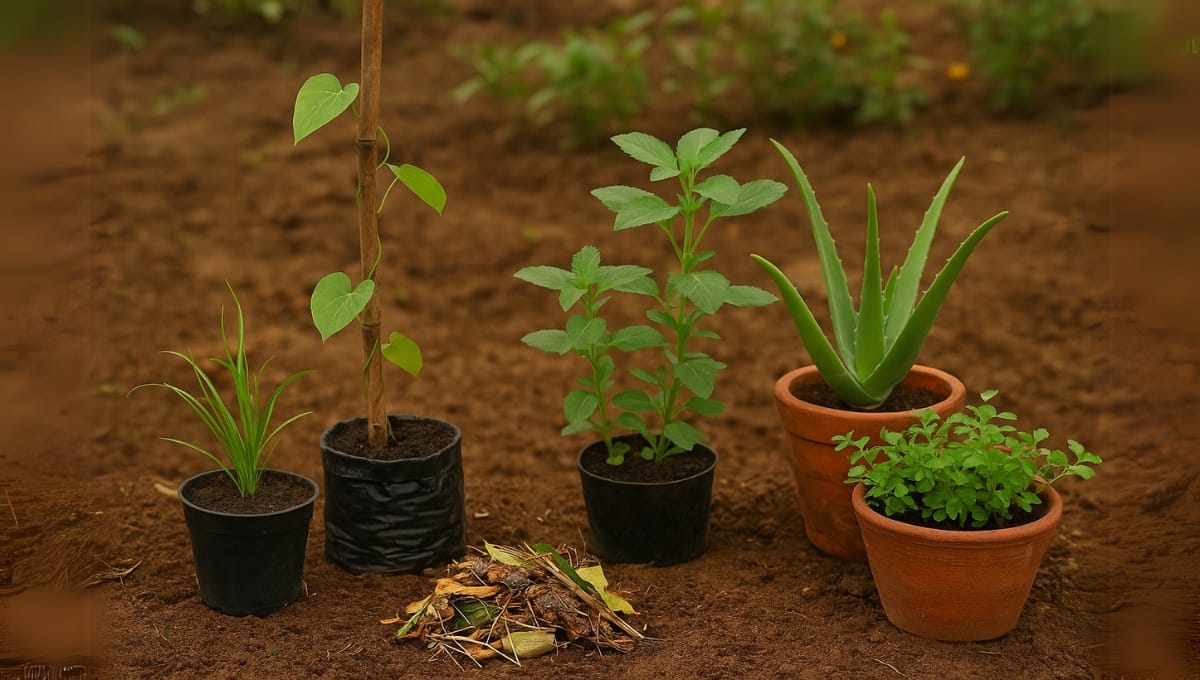
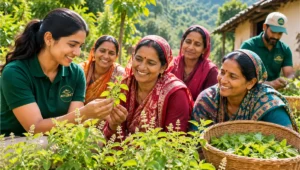
You step into your backyard one morning. The soil is warm under your feet, the breeze carries the scent of fresh Tulsi, and a gentle rustle comes from the corner where Giloy creeps up a bamboo pole. You’ve grown this. You’ve healed your land. And slowly, you’re building something powerful — an organic herbal garden.
This isn’t just gardening. It’s a way to reclaim health, protect nature, and even build income — all from your own hands and soil.
Whether you’re a farmer, homemaker, student, or retiree, this guide will walk you through everything you need to know to begin your journey into organic herbal cultivation — right here in India.
Why Grow Herbs Organically?
It’s Not Just Healthier — It’s Smarter
Herbs have been used for centuries in Indian households for healing, cooking, and spiritual rituals. But when grown with chemical fertilizers and pesticides, their purity and power get compromised.
Organic herbal farming is about growing herbs the way nature intended — without toxins, without stress, and without harming the earth.
Benefits:
- Pure herbs, safe for your family and customers
- Improved soil health and fertility
- Higher demand in markets for organic produce
- Zero exposure to harmful chemicals
- Sustainable and environmentally friendly
You’re not just growing leaves. You’re growing life.
Can You Start with No Experience? Absolutely.
You Don’t Need a Degree — Just Dedication
One of the beauties of organic herbal farming is that it’s easy to begin, even if you’ve never planted anything before. Many of ACTIZEET’s partner farmers started with just curiosity — and today, they manage thriving herbal plots.
What you really need:
- A small piece of land or garden space
- Basic tools (spade, watering can, baskets)
- Seeds or cuttings of 2–3 herbs
- Organic compost or cow dung
- Sunlight and water access
- A love for learning and consistency
Even a terrace garden or balcony can be a powerful start.
Top 5 Herbs Perfect for Beginners
Easy to Grow. Easy to Use. Easy to Sell.
Not every herb needs complex care. Here are five beginner-friendly medicinal plants you can start with in most parts of India:
🌿 Tulsi (Holy Basil)
- Use: Cough, cold, stress relief
- Grows in: Pots, beds, full sun
- Care: Water daily, trim often
🌱 Giloy (Amrita)
- Use: Immunity, fever, detox
- Grows in: Climbs on poles or fences
- Care: Occasional watering, fast grower
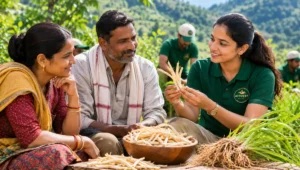
🌾 Lemongrass
- Use: Tea, digestion, mosquito repellent
- Grows in: Bunches in open land
- Care: Very hardy, needs sunlight
🌿 Aloe Vera
- Use: Skin, digestion, wounds
- Grows in: Pots or open ground
- Care: Water every few days, tolerates heat
🍀 Brahmi
- Use: Brain health, memory
- Grows in: Moist, shady areas
- Care: Likes regular water and cooler spots
Start with 2–3 herbs. Once you get comfortable, you can expand your garden easily.
Preparing the Soil — The Organic Way
Your Plants Are Only as Good as Your Soil
You don’t need chemical boosters. Nature gives you everything — if you feed the soil right.
Steps:
- Clear the area — remove weeds, plastic, or stones
- Loosen the soil — use a hoe or spade for better air and root movement
- Add compost or cow dung — 4-5 kg per square meter
- Let it settle for 1 week before planting
Compost Tip:
Make your own from kitchen waste like fruit peels, tea leaves, and dried leaves. It’s free and powerful!
Bonus: Add natural ingredients like neem cake or ash to improve pest resistance.
Planting and Caring for Your Herbs
They’ll Love You Back if You Listen to Them
General Tips:
- Water in the early morning or evening to reduce evaporation
- Use mulch (dry leaves, straw) to retain soil moisture
- Intercrop herbs like Tulsi with vegetables for diversity
- Rotate crops every season to keep soil healthy
- Remove weeds weekly to reduce competition
Natural Pest Solutions:
- Neem oil spray
- Ash from burnt cow dung
- Buttermilk or garlic-chili solution
The best part? You won’t need chemical pesticides — your plants’ own healing powers help each other grow.
Harvesting and Drying Your Herbs
Timing and Technique Make All the Difference
Don’t rush to pluck. Most herbs have ideal times for harvesting.
Harvesting Tips:
- Tulsi: Cut leaves after 60 days, early morning
- Giloy: Use thick stems once vine matures (~6 months)
- Lemongrass: Cut from base every 2–3 months
- Aloe Vera: Pick mature leaves from the bottom
- Brahmi: Trim tops once it spreads well
Drying:
Spread herbs thinly on a clean cloth under shade. Turn every day. Once dry, store in airtight containers.
Avoid sun-drying, as it removes essential oils and active compounds.
How to Use or Sell Your Herbs
From Home Remedies to Market-Ready Products
For Personal Use:
- Tulsi tea for cough
- Aloe vera gel for skin
- Giloy decoction (kadha) for fever
- Lemongrass water for digestion
- Brahmi oil for hair and memory
For Income:
- Sell fresh or dried herbs to local Ayurveda shops
- Package powder or leaves in paper pouches
- Sell at weekly village markets
- Partner with ACTIZEET or other herbal buyers
- Join or form an SHG for collective branding
Pro Tip: Even small packaging with your village name creates trust and brand value.
Common Mistakes to Avoid
Learn From the Soil, and the Farmers Before You
- Overwatering: Many herbs rot easily if overwatered
- Crowding plants: Leave space for air and sunlight
- No crop rotation: Changes are necessary for long-term soil health
- Using plastic fertilizer bags: Switch to eco-friendly grow bags
- Harvesting too early: Wait for full potency
Organic cultivation is a slow, rewarding journey — not a sprint.
ACTIZEET Cares: Your Partner in Herbal Cultivation
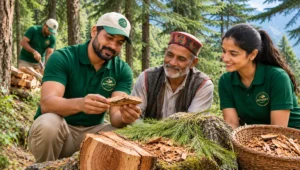
At ACTIZEET, we believe every Indian household — rural or urban — can grow herbs. Whether it’s a backyard in Bihar or a rooftop in Bengaluru, you have the power to grow health.
We support beginners by:
- Providing starter kits (seeds, compost, tools)
- Offering online and offline training
- Helping with drying and packaging support
- Connecting you to buyers and herbal cooperatives
- Running community herbal garden models across India
Our farmers aren’t just producers. They are protectors of tradition, stewards of soil, and healers of the future.
Your Herbal Journey Begins Now
You’re Closer Than You Think
You don’t need acres of land. You don’t need fancy tools. You don’t even need perfect knowledge.
You just need a desire to live naturally. To grow something that heals. To start a relationship with your soil.
Start with a Tulsi pot. A Giloy creeper. A pinch of Brahmi.
And before you know it — you’ve created your own ayurvedic garden of life.
Let’s heal ourselves — and the Earth — one leaf at a time.