
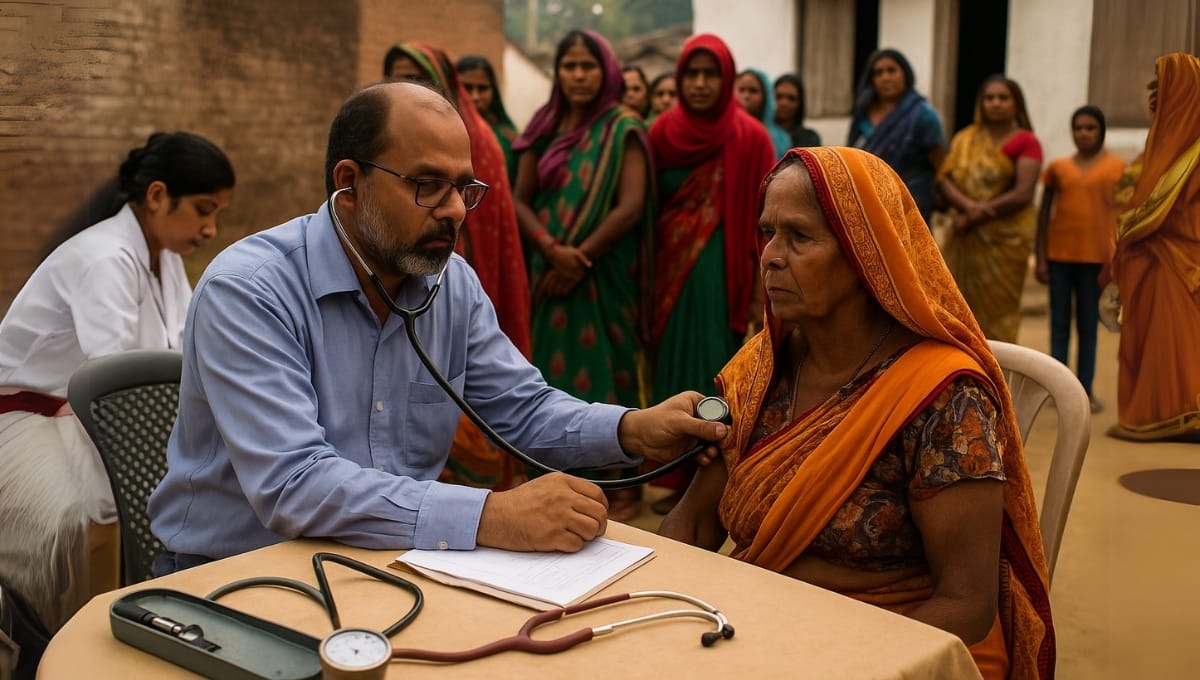
For many people living in remote or underserved areas, basic healthcare is still a luxury. In 2024, ACTIZEET CARES took a step toward changing that reality—one camp at a time. Across the valleys of Himachal Pradesh, the plains of Bihar, and tribal belts of Chhattisgarh, our mobile health units reached places where hospitals are distant and awareness is limited.
This is not just a report of numbers. It is a breakdown of real lives touched, fears addressed, and healthcare humanized. Here’s how our health camps made a difference—and why we believe this work is more important than ever.
Why Health Camps Still Matter in India
Despite progress in infrastructure and access, India’s rural healthcare system continues to face critical challenges:
- Limited primary care facilities
- Inadequate doctor-to-patient ratios
- High out-of-pocket costs for villagers
- Lack of gender-sensitive services for women
- Minimal awareness of preventive health practices
For these reasons, temporary but well-structured health camps can fill important gaps. They offer accessible, low-cost, and localized healthcare, often being the first point of contact between doctors and underserved patients.
ACTIZEET CARES identified this need and responded with a people-first, mobile health outreach model.
What We Did: 2024 Health Camp Overview
In 2024, ACTIZEET CARES conducted 52 mobile health camps across 7 states. These camps were held in areas with minimal medical presence, often in partnership with:
- Government PHCs (Primary Health Centres)
- Local Panchayats and anganwadi workers
- Volunteers and school teachers
- Women’s self-help groups and NGOs
Key Highlights:
- Total individuals reached: 18,420
- Villages covered: 74
- Doctors and nurses engaged: 130+
- Female beneficiaries: Over 60%
- Free medicines distributed: 70,000+ doses
- Follow-up referrals made: 1,950+
Inside a Health Camp: What Happens on the Ground?
Each camp typically ran from 9 a.m. to 4 p.m., structured to maximize participation and deliver targeted support.
1. Registration and Initial Assessment
Villagers began with registration and basic screening:
- Blood pressure and blood sugar tests
- Body temperature and oxygen saturation checks
- Weight and age records
Volunteers and medical students supported this process, ensuring things moved smoothly.
2. General and Specialized Consultation
Patients were then directed to doctors based on their needs. Services included:
- General physician consultations
- Gynecological support for women
- Pediatric assessments
- Skin and respiratory health check-ups
Doctors explained conditions using local dialects, often spending time with elders who had never seen a doctor before.
3. Women’s Wellness Corner
Every camp had a dedicated area for women’s health education and privacy-focused consultation. Topics covered:
- Menstrual hygiene
- Prenatal and postnatal nutrition
- Family planning awareness
- Local herbal remedies for common women’s ailments
Sanitary pads and wellness kits were distributed free of cost.
4. Health Education Sessions
In collaboration with school teachers and anganwadi workers, interactive sessions were held:
- Demonstrations on handwashing techniques
- Tips on clean drinking water and sanitation
- Signs and prevention of common illnesses
- Use of local herbs for immunity and digestion
Children were often the most enthusiastic participants, absorbing health practices they could take home.
Real Lives, Real Impact
Meena’s First Check-Up at 47
Meena Devi, from a small village in Jharkhand, had never seen a doctor. She struggled with joint pain and fatigue for years. At our health camp, she was diagnosed with anemia and vitamin D deficiency. After receiving supplements and guidance, she shared:
“I thought my tiredness was just age. Now I understand my body better.”
Aman’s Ear Infection
8-year-old Aman had recurring ear infections, affecting his school attendance. His mother, unsure what to do, brought him to a camp near her village in Himachal.
Aman received treatment and his family was shown how to keep his ears dry and clean. Today, he’s back in school—happier and healthier.
Women at the Center: Focus on Gender Health
A key focus of ACTIZEET CARES Health Camps has been empowering women through health awareness. Many had suffered in silence for years—due to cultural taboos or simple lack of information.
Our female health educators held over 120 sessions where women could:
- Ask questions freely
- Understand natural solutions for reproductive health
- Learn about nutrient-rich herbs like Shatavari, Amla, and Moringa
- Get connected to district ASHA workers for follow-up
This gender-sensitive approach encouraged participation and trust.
Challenges Faced and Lessons Learned
Like any grassroots initiative, these camps faced challenges:
1. Logistics in Remote Areas
In places without motorable roads, medical kits were carried on foot or by bike. Coordination with local youth groups proved essential.
2. Language Barriers
Translators and bilingual volunteers were key in tribal zones. We’ve now developed local-language IEC (Information, Education, Communication) materials for future camps.
3. Skepticism and Misinformation
Some villagers were initially hesitant. Local influencers, school teachers, and success stories helped build credibility.
How We Measured Our Impact
ACTIZEET CARES uses a three-level impact tracking model:
Parameter | Details Tracked |
Direct Medical Impact | Number of consultations, conditions diagnosed, referrals made |
Health Literacy Improvement | Pre-and post-session quizzes on awareness topics |
Community Engagement | Feedback from panchayats and anganwadi centers |
Additionally, a 3-month follow-up was conducted in 18 villages, showing:
- 40% rise in basic hygiene practices
- 55% increase in knowledge of menstrual hygiene
- 30% improvement in child nutrition awareness
Sustainability: Beyond One-Time Support
We didn’t stop at temporary relief. ACTIZEET CARES believes in building local capacity:
- Training 50+ health volunteers in basic first-aid and awareness
- Establishing village health groups to track follow-up needs
- Linking villagers to government healthcare schemes like Ayushman Bharat
We also donated reusable medical equipment (BP monitors, thermometers) to community centers for long-term benefit.
The Road Ahead: Scaling with Strategy
The response to our health camps has inspired ACTIZEET CARES to scale in 2025 with:
- 75 camps planned across 10 states
- Integration of telemedicine consultations in hard-to-reach villages
- Launch of a mobile health education van with digital tools
- Special focus on children’s vision and dental health
We’re also exploring partnerships with Ayurveda colleges to incorporate traditional wisdom in health outreach.
Conclusion: A Camp Is Just the Beginning
Behind every number lies a human face. A grandmother who no longer lives in pain. A mother who now understands menstrual hygiene. A child who can finally breathe better.
Health camps are not long-term replacements for hospitals—but they are lifelines. They bring healthcare to the doorstep. They listen, educate, and heal—gently, patiently, and with dignity.
As we look back on 2024, we’re humbled by the strength of communities and inspired to do more. Because health is not a privilege—it’s a right. And our camps are just the beginning of that journey.
Latest from Our Blog
Saffron Sourcing: How to Buy Pure, Traceable Kesar
A clear guide to saffron sourcing: Kashmir vs. Iranian kesar,...
Mulethi Sourcing: How to Choose Pure Licorice Root Powder
A clear guide to mulethi sourcing: licorice species, origin, harvest,...
Agarwood Sourcing: A Guide to Legal, Pure and Ethical Oud
Learn how agarwood sourcing works: plantation vs. wild oud, CITES...
Tulsi Sourcing: How to Find Pure, Traceable Holy Basil
A clear guide to tulsi sourcing: species, farming, harvest, drying,...

