
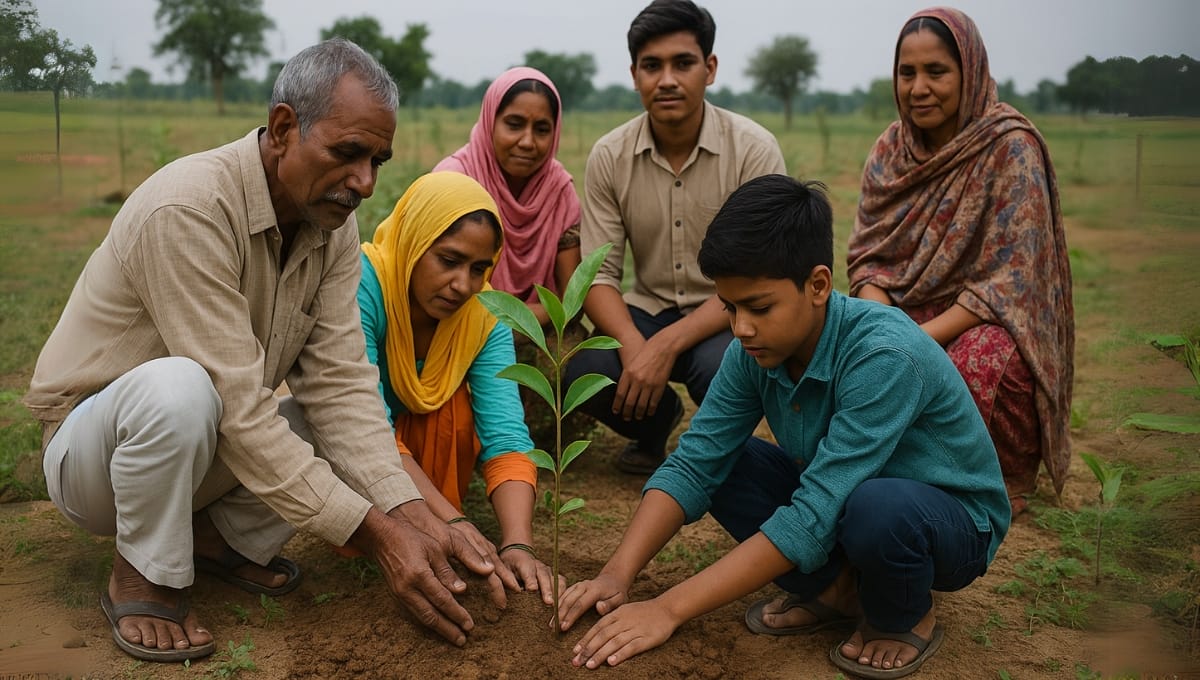
What does it take to plant a forest? In 2024, ACTIZEET CARES found the answer—not in machinery or money, but in communities, collaboration, and commitment. Over the span of twelve months, from dry plains to misty hillsides, we planted over 11,000 trees across India. But this isn’t just a number—it’s a story of soil, sustainability, and shared hope.
Why Planting Trees Still Matters
India faces pressing environmental challenges—rising temperatures, eroding soil, declining rainfall, and worsening air quality. While policy reforms and climate summits make headlines, real change often takes root in quieter places: a school ground in Himachal, a fallow field in Odisha, or a village commons in Uttarakhand.
Trees are more than green cover. They mean:
- Better air quality
- Cooler microclimates in heat-prone areas
- Improved soil health and reduced erosion
- Stronger local biodiversity
- Psychological and spiritual connection to nature
ACTIZEET CARES believes that true wellness begins not just with the body, but with the earth. That belief guided every tree planted in 2024.
The Vision: “One Sapling, One Future”
Our campaign began with a simple goal—plant 10,000 trees by the end of 2024. We called it “One Sapling, One Future”, a name that resonated deeply with students, farmers, and volunteers alike.
But as the months unfolded, the response was overwhelming. Schools asked to be part of it. Village heads came forward. Farmers offered patches of land. And by December, we had exceeded our target—11,000 saplings, all thriving in the soil of purpose.
Where We Planted: Diverse Ecosystems, Common Goals
We didn’t limit ourselves to a single geography. ACTIZEET CARES worked across varied terrains, including:
1. Himalayan Villages
In regions prone to landslides and deforestation, native species like Rhododendron, Deodar, and Walnut were planted to stabilize slopes and restore biodiversity.
2. Central Indian Tribal Zones
Here, Neem, Jamun, and Mahua trees brought dual benefits—ecological and economic. These species support pollinators and offer fruit or shade to local communities.
3. Urban Fringes
Cities like Dehradun and Chandigarh saw community park revivals where trees such as Peepal, Banyan, and Gulmohar were introduced. These urban green spaces now double up as learning grounds for school children.
4. Farmlands in Odisha and Bihar
In partnership with farmers, agroforestry belts were created—mixing crops with Arjun, Amla, and Bamboo. This not only enriched the soil but also diversified income sources.
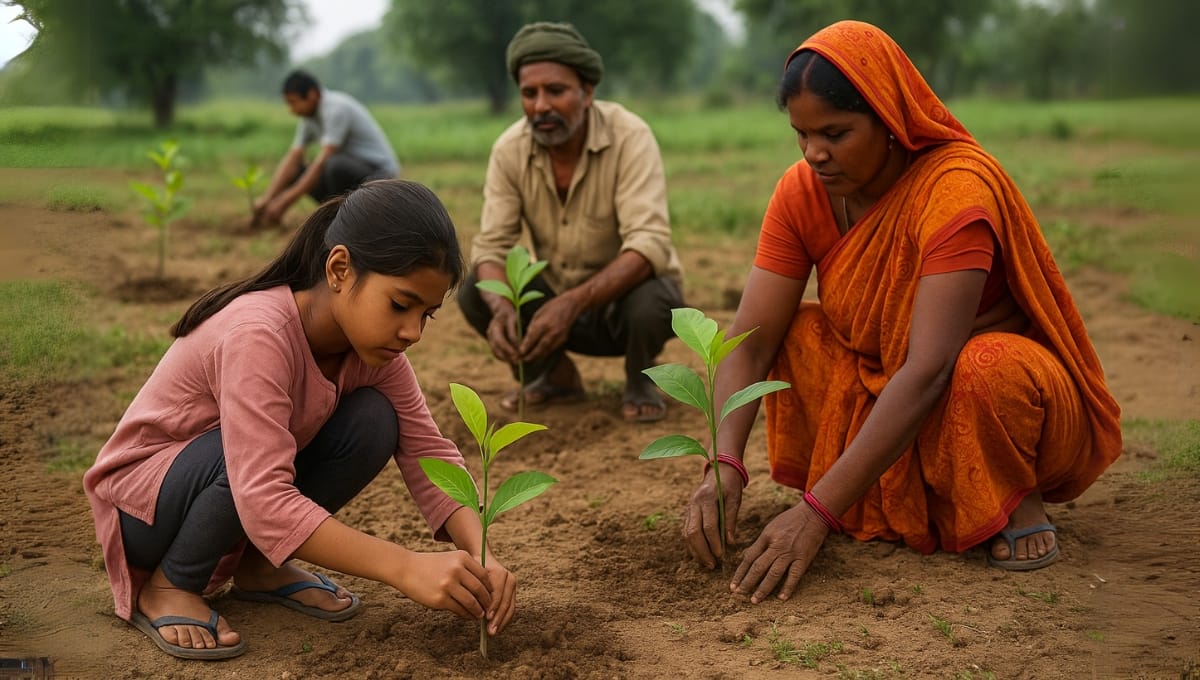
How We Made It Happen: A Step-by-Step Approach
1. Community Engagement First
Before the first sapling went into the ground, ACTIZEET CARES organized over 60 awareness sessions. In these meetings, locals learned about:
- The ecological role of trees
- How native trees differ from invasive species
- Watering and protection techniques
- Long-term benefits like fruit, fodder, and wood
By involving the community from the start, ownership was organic.
2. Partnering With the Right People
We didn’t do this alone. Our collaborators included:
- Forest departments for site clearances and guidance
- Local NGOs for volunteer mobilization
- Panchayat leaders to ensure village-level participation
- Schools and colleges for eco-club involvement
Each partner brought unique strengths to the mission.
3. Choosing the Right Saplings
Tree planting isn’t just about digging and planting. It’s about selecting region-specific, native species that suit local climate and soil. Our team worked closely with botanists and nursery experts to curate sapling inventories for each zone.
4. Monitoring & Maintenance
One-time plantation isn’t enough. ACTIZEET CARES assigned “Green Guardians”—local volunteers or students—responsible for:
- Weekly watering (especially in the dry season)
- Checking for pests or damage
- Reporting growth status to coordinators
These guardians received small stipends or school incentives, turning tree care into a source of pride and purpose.
Voices from the Ground: Real People, Real Roots
Neha, Age 10, Uttarakhand
“I planted a Walnut tree with my grandmother. Now every morning, I water it before going to school. We named it ‘Bhoomi’.”
—Neha, student at an ACTIZEET Learning Center
Ramesh, Farmer in Chhattisgarh
“I used to leave a patch of land barren. Now I have ten Neem and Amla trees growing. In 3 years, I’ll sell the fruits and use the leaves as medicine.”
—Ramesh Singh, marginal farmer
Anita, Local Volunteer
“When I joined as a Green Guardian, I didn’t know how deeply connected I’d feel. Watching the saplings grow makes me believe I’m growing too.”
—Anita Devi, homemaker and volunteer
Measuring the Impact: More Than Just Numbers
While 11,000 trees is a proud figure, the real impact goes beyond digits.
- Climate Resilience: Improved shade, reduced surface temperatures, and better rainwater retention
- Community Cohesion: Local festivals now include tree care as a symbolic act
- Youth Empowerment: Over 1,200 students learned practical ecology through participation
- Women’s Leadership: Many Green Guardians were women who stepped into community roles for the first time
Challenges We Faced—and Overcame
No mission is without hurdles. Among our biggest challenges were:
- Lack of water in summer: Solved by building small check dams and harvesting rainwater in tanks
- Grazing threats: Fencing and awareness helped reduce damage from cattle
- Initial resistance: Some villagers were skeptical about long-term gains. Field visits to successful green sites helped build trust.
Adaptability and local listening were our strongest tools.
Greener Tomorrow: What’s Next?
ACTIZEET CARES now plans to build on this momentum. Our 2025 goals include:
- Expanding plantation to Northeast India
- Creating community herbal gardens using Ayurvedic plants
- Launching a “Plant-a-Birthday” campaign, encouraging individuals to plant on special occasions
- Introducing tree-planting certification for schools and offices involved in greening efforts
The goal is not just to plant, but to regrow ecosystems, reconnect lives, and regenerate culture.
Closing Thought: Every Tree Has a Story
Every tree planted in 2024 carries a story—of the hands that nurtured it, the soil that welcomed it, and the future it promises. Whether it shades a schoolchild in summer or bears fruit for a village in autumn, its roots are now deeply woven with hope.
ACTIZEET CARES believes in the slow, powerful rhythm of nature. One tree may not change the world. But 11,000 trees, grown with intention and care, come awfully close.
If this journey inspired you, consider joining our next green drive. Because real wellness begins when we heal the earth that heals us.
Saffron Sourcing: How to Buy Pure, Traceable Kesar
A clear guide to saffron sourcing: Kashmir vs. Iranian kesar,...
Mulethi Sourcing: How to Choose Pure Licorice Root Powder
A clear guide to mulethi sourcing: licorice species, origin, harvest,...
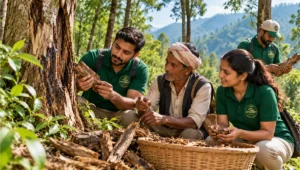
Agarwood Sourcing: A Guide to Legal, Pure and Ethical Oud
Learn how agarwood sourcing works: plantation vs. wild oud, CITES...
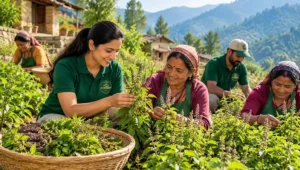
Tulsi Sourcing: How to Find Pure, Traceable Holy Basil
A clear guide to tulsi sourcing: species, farming, harvest, drying,...

