You stand on a quiet ridge in Himachal Pradesh. The pine trees sway, the prayer flags flutter, and in the distance, an elderly woman softly sings a lullaby—one that her grandmother once sang to her. But this song isn’t in Hindi or English. It’s in a dialect spoken only by a handful of villagers nestled deep within the folds of these hills.
That lullaby is more than a song. It’s history, emotion, wisdom—and it’s fading fast.
India’s hills speak in hundreds of tongues, but many are disappearing. This isn’t just a linguistic loss—it’s the erosion of identity, community, and belonging. You may not realize it, but every word lost is a world lost. And that’s why preserving the language of the hills is not just a cultural act—it’s a deeply human one.
Why Hill Languages Matter
Beyond Communication—They Carry Culture
Hill languages are repositories of generations of knowledge—about herbs that heal, festivals that unite, weather patterns, stories of gods, and community morals. These aren’t just tools for talking; they’re tools for living.
When a grandmother tells her grandchild a folk tale in Bhotia or Lepcha, she’s doing more than storytelling. She’s passing down a living memory. The moment we lose that language, the story is silenced forever.
A Link to Identity
For many communities across Uttarakhand, Ladakh, Nagaland, and Arunachal Pradesh, language is how they define themselves. It is how they say, “This is who we are.”
Imagine growing up not hearing your ancestral language. Imagine not being able to understand the meaning behind the songs sung at your festival or the names of plants your grandfather uses in traditional medicine. This silent disconnect can fracture a person’s sense of self.
The Silent Extinction
Modern Pressures on Ancient Voices
You’ve seen it happen. A child from a mountain village moves to a city for education. They speak Hindi or English at school, consume pop culture in dominant languages, and slowly begin to forget the words they first learned from their mother.
It’s not that they don’t love their roots—it’s that survival often demands compromise. In trying to fit in, they leave something behind. And that “something” is often their language.
Technology and Urban Migration
Digital India is a marvel. But in its rapid rise, the voices of the hills risk being drowned out by louder, more dominant languages. Most apps, websites, or platforms don’t support tribal or regional dialects.
The youth are online. But their mother tongues are not.
The Guardians of the Tongue
Local Heroes Keeping Languages Alive
Still, hope whispers through the hills. Schoolteachers in Arunachal Pradesh are introducing village dialects into morning assemblies. In Manipur, elders record oral stories for the next generation. Women’s cooperatives are stitching folk proverbs into shawls, preserving language through thread.
In Ladakh, some communities have started “language days” where only the native dialect is spoken. Children learn songs, riddles, and stories in their ancestral tongue. It may seem small—but it’s revolutionary.
ACTIZEET’s Role in Cultural Preservation
At ACTIZEET, we believe that wellness is more than physical. It’s also cultural, emotional, and ancestral. That’s why our mission includes supporting communities that preserve their roots.
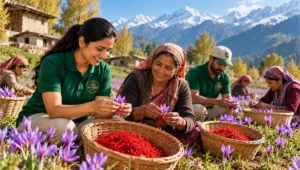
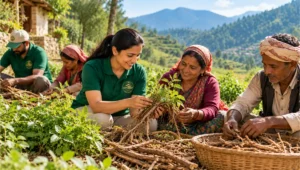
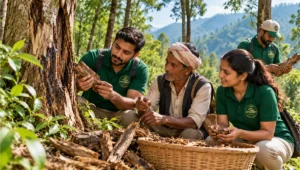
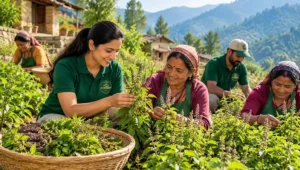
Whether it’s working with Himalayan herbalists who speak and teach in their native dialect, or supporting grassroots initiatives that document endangered languages, we know: when you protect a language, you protect a life.
What You Can Do
Start with Curiosity
Ask questions. If you meet someone from a hill community, don’t just ask where they’re from—ask what language their grandparents speak. You’ll be surprised at the stories that surface.
Support Local Artists and Creators
Many musicians, poets, and writers are producing content in endangered languages. By following, purchasing, or simply sharing their work, you become part of the preservation process.
Encourage Language Use in Homes
If you belong to a hill community, or know someone who does, speak your language at home. Use it in lullabies, during festivals, or while cooking. Don’t let fluency become nostalgia.
Volunteer or Donate
There are NGOs and language preservation projects across India—especially in the Northeast and the Himalayan belt—that need your support. A little goes a long way when the goal is to preserve a dying voice.
The Soul of a Community
When Language is Love
There’s a village in Sikkim where a young woman named Pema runs a home library. Every Friday, she gathers children and reads them stories written in their native dialect. She says, “My grandfather used to tell me these. Now I tell them to others. I don’t want the words to disappear.”
Pema’s story is not rare. All across India, people like her are weaving together the threads of language and memory, one word at a time. They do it quietly. But their impact echoes loudly in the heart of every child who listens.
Preserving Language Is Preserving Life
When you protect the language of the hills, you do more than conserve a dialect—you honor ancestors, heal identity, and protect diversity.
As someone who believes in natural wellness, you understand that healing comes not just from herbs or oils, but also from stories, songs, and a shared sense of belonging.
Let the hills continue to sing in their many tongues. Let the lullabies of the mountains echo in the winds of the future.
Because some things should never be silenced.