The Noise We Carry
You arrived in the village carrying everything—your phone, your schedule, your need to always be doing something. But what you didn’t realize was that you were also carrying a kind of noise.
Not the kind you hear—but the kind that keeps you from hearing what matters.
It wasn’t until you slowed down, until you stopped filling silence with your own voice, that you began to truly listen. And what you heard changed you forever.
This is a story of the stories you miss in the rush—and what happens when you finally learn to listen.
Day One: Just Another Volunteer
You came with good intentions. You’d volunteer for a week with ACTIZEET, help in a health camp, maybe assist the herbal nursery team. You thought you’d be helping others.
And you were. But that wasn’t the real story.
The real story began when you put down your phone, looked into someone’s eyes, and asked, “How are you?”—and meant it.
Story One: The Girl Who Waited in Silence
On the second day, during a reading session at the school, you noticed her. Meera. She sat at the edge of the mat, always silent, never raising her hand.
At first, you assumed she was shy. Or disinterested. But something made you sit beside her that afternoon.
You didn’t ask her to read. You just handed her a book and waited.
Slowly, her finger traced the words. One syllable at a time. She whispered. You listened.
By the end of the hour, she smiled. A small one. But it was the kind that says, I was seen today.
You learned that she wasn’t behind—she was just waiting for someone to wait with her.
Story Two: The Grandmother Who Grew Medicine
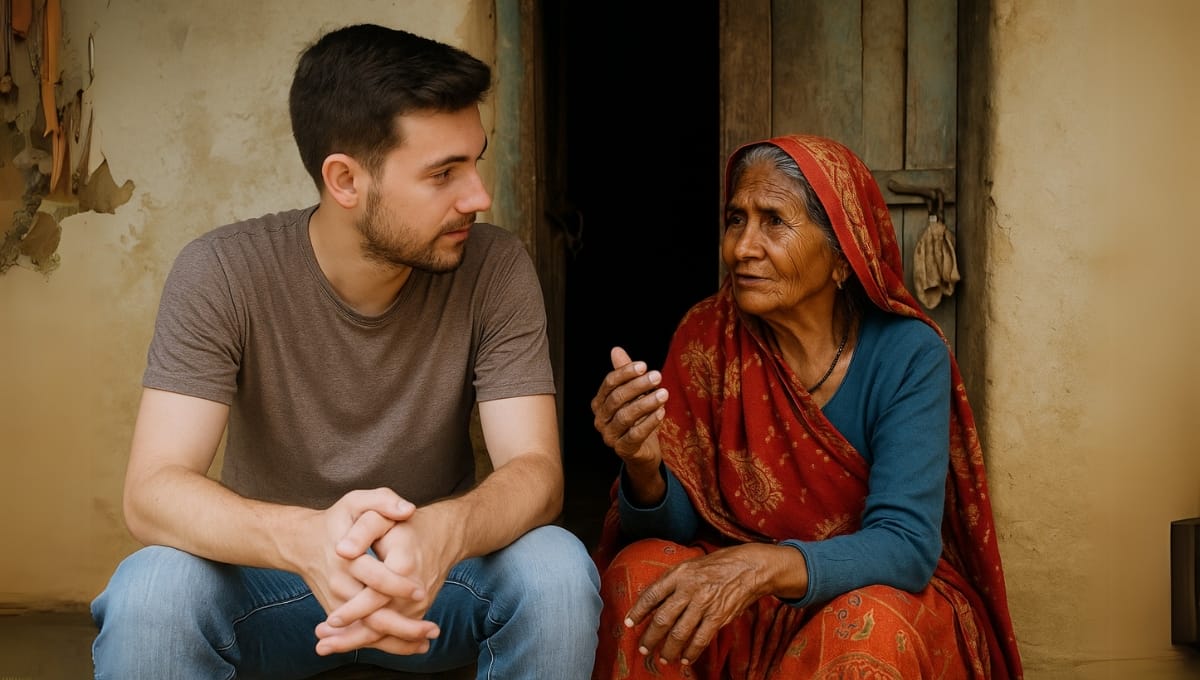
She offered you tea one morning outside her mud home. You accepted. She sprinkled something into the kettle—leaves you didn’t recognize.
You asked, “Tulsi?” She chuckled. “No, beta. This is banafsha. For cough.”
As you sat on the wooden cot, she began to talk—not in a formal tone, but with a rhythm of remembered knowledge.
She spoke of herbs she used for fever, for wounds, for grief. She told you how her mother taught her, and how she now teaches her granddaughter.
You realized you were sipping more than tea. You were sipping history. And all you had to do was sit down and listen.
Story Three: The Boy With a Kite and No Shoes
He ran across the field barefoot, a newspaper kite in hand. You watched him laugh, lose the wind, catch it again.
Later, you asked about his kite. “My uncle made it,” he said. “He died last year.”
You didn’t know what to say. But you didn’t change the subject.
He continued, “He said when kites fly, they carry our wishes to the sky.”
You nodded. Not to comfort him, but because you knew what he meant.
Some grief doesn’t need a reply. It just needs space.
What Listening Teaches You
Not Every Story Is Loud
In cities, people talk over each other. Compete to be heard. But here, in the quiet folds of the hills, the stories arrive gently—like wind through trees.
You only hear them if you’re still enough.
Listening Is a Gift, Not a Skill
You don’t need training. You just need presence. Eye contact. Patience. An open heart.
When people feel heard, they open up in ways they never do with noise all around.
Stories Are the Oldest Medicine
A story can heal shame, fear, loneliness.
The grandmother’s recipe. The boy’s kite. Meera’s whisper—these weren’t just moments. They were healing, for them and for you.
ACTIZEET’s Role in Listening to Communities
ACTIZEET wasn’t just there to distribute Shilajit or herbal oil. The team was listening.
- Listening to what villagers needed
- Listening to forgotten plant wisdom
- Listening to challenges that stats can’t capture
You saw how ACTIZEET staff sat with elders, recorded folk remedies, and used that knowledge to create ethical, pure wellness solutions.
They weren’t just exporting herbs. They were preserving legacies.
And that’s only possible when you stop to listen.
Why Listening Matters Now More Than Ever
In a world of fast news and short attention spans, listening is rare.
We scroll past pain. We nod without hearing. We reply before someone finishes.
But if you pause—if you sit under a tree beside a child or beside a smokey kitchen with an elder—you might hear something that changes how you see the world.
Even if it’s just once.
How to Start Listening
✅ Be quiet with intention
Not just to respond—but to understand.
✅ Ask simple questions
Like “How did you learn that?” or “What was it like for you?”
✅ Leave space
Silence isn’t awkward. It’s respectful. It invites depth.
✅ Carry the story forward
Let the story live in you. Retell it, honor it, and let it guide your actions.
Conclusion: What You Take Home
You returned to your life—your meetings, your screens, your fast-moving days.
But something in you had changed.
You now listen more—
To your parents
To strangers
To yourself
Because in the village, you learned that not all treasure shines.
Some stories stay buried beneath the noise until someone digs gently, patiently, with care.
And when you listen, really listen—you find gold.